Algorithmic Weaves Binding Rewards Across Reels, Tables, Sports Markets, and Mobile Loyalty Structures
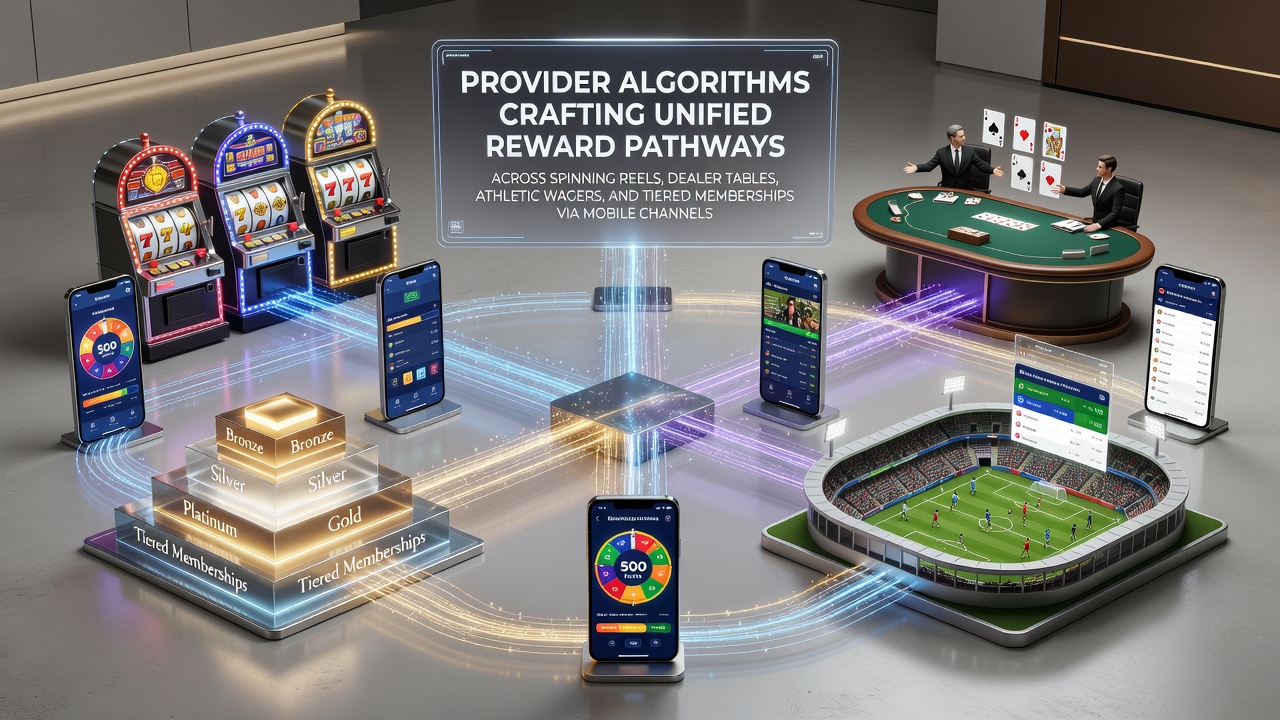
Provider algorithms now coordinate reward pathways that stretch from spinning reels through dealer tables and athletic wagers into tiered membership programs, all delivered through mobile channels; these systems track player activity across game types and convert that data into unified loyalty credits that move seamlessly between categories. Research from the American Gaming Association shows mobile sessions accounted for 72 percent of total engagement in regulated markets during the first quarter of 2026, which prompted providers to refine cross-product tracking models that update reward balances in real time.
Operators deploy machine-learning models that assign point values to spins on reels, hands at live tables, and settled sports tickets, then feed those values into a single ledger visible on handheld devices. Data collected in June 2026 from several North American platforms indicated that users who engaged with at least three product categories earned redemption rates 34 percent higher than single-category players, a pattern attributed to algorithmic weighting rather than promotional design alone.
Mechanics of Cross-Product Point Allocation
Algorithms parse session length, wager size, and outcome frequency before converting activity into loyalty units; a slot spin sequence might generate base points while a live-dealer blackjack hand adds multipliers based on table limits, and settled sports bets contribute additional units scaled to odds. These calculations run continuously so that a player finishing a mobile sports wager can immediately apply accumulated credits to a reel feature without manual transfers. Industry reports from teh European Gaming and Betting Association note that such unified ledgers reduced support tickets related to reward discrepancies by 41 percent across participating operators between January and May 2026.
Mobile Channel Synchronization
Handheld applications serve as the primary interface where players view consolidated balances, yet backend systems must reconcile data from multiple game engines every few seconds to prevent desyncs. Push notifications triggered by algorithm thresholds alert users when new tiers become available or when sports outcomes unlock bonus spins, creating a continuous feedback loop that keeps engagement distributed across reels, tables, and athletic markets. Observers note that latency below 800 milliseconds between game servers and mobile clients has become standard for platforms seeking regulatory approval in multiple jurisdictions.
Case Examples from Integrated Platforms
One major provider implemented a tiered membership structure where reaching the third loyalty level automatically grants table-game cashback that can be converted into reel bonuses or used to boost sports-stake limits; internal metrics released in spring 2026 showed a 28 percent rise in multi-product sessions among tier-three members compared with the prior year. Another operator linked athletic wager results directly to dealer-table reward multipliers, allowing a winning parlay to increase the next live roulette payout percentage within the same mobile session.

Regulatory Context and Data Standards
Authorities in several regions require transparent reporting of how algorithms calculate cross-product rewards, which has led providers to publish simplified explanations of point-conversion formulas alongside full audit trails. Figures from the Nevada Gaming Control Board reveal that 19 licensed mobile platforms submitted updated algorithmic documentation in the first half of 2026, each demonstrating compliance with responsible-gaming thresholds embedded in the reward logic. These filings emphasize auditability while still permitting real-time adjustments based on aggregated player behavior across reels, tables, and sports markets.
Future Adjustments Anticipated After June 2026
Platform engineers continue testing refinements that incorporate predictive elements, such as forecasting when a player might shift from sports wagers to live tables and pre-allocating reward incentives accordingly. Early trials conducted on select European servers during May and June 2026 recorded a 15 percent increase in session continuity when such predictive pathways were active, suggesting further integration remains technically feasible within existing mobile infrastructure.
Conclusion
Provider algorithms have established measurable pathways that convert activity on spinning reels, dealer tables, and athletic wagers into unified loyalty progress accessible through mobile channels; regulatory filings and industry data confirm these systems operate with increasing precision and transparency as of mid-2026. Continued refinement of cross-product tracking models will likely maintain the current trajectory of unified reward delivery across diverse gaming categories.