Developer Tactics Crafting Connected Reward Journeys Through Mobile Slots, Live Interactions, Card Tactics, Wagering Events, and Elite Levels
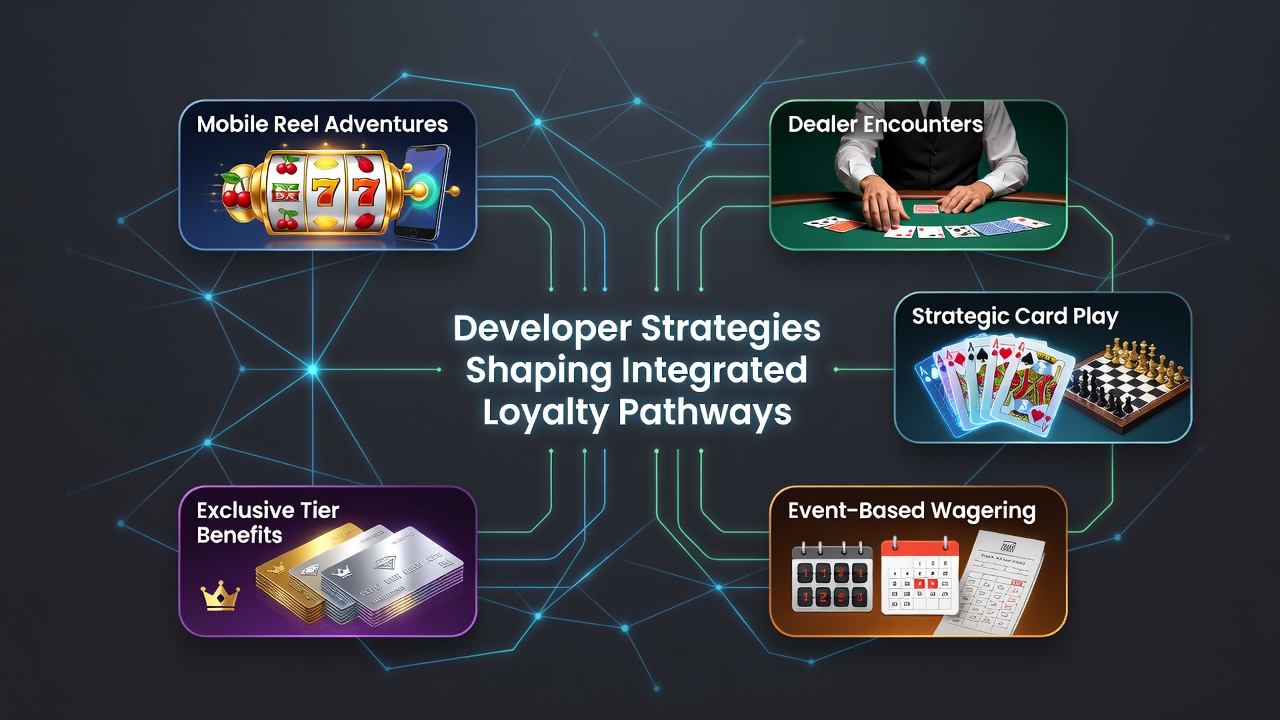
Developers have shifted focus toward unified systems that track player activity across multiple verticals while linking those actions directly to reward progression and tier status. These approaches rely on centralized data platforms that collect metrics from reel-based games, live dealer sessions, card tables, and event-driven wagers then feed that information into a single loyalty engine.
Research from the University of Nevada Reno indicates that synchronized tracking improves retention rates by allowing points earned in one area to influence status in others without manual transfers or separate accounts. Mobile platforms now use API connections that update balances in real time so a player finishing a card session sees tier progress reflected immediately in their reel game dashboard.
Unified Data Layers Across Game Types
Core strategies center on modular backend architectures that separate game engines from the loyalty layer while maintaining constant communication between them. This setup lets developers add new event-based wagering options without rebuilding the entire rewards structure. Data flows from mobile sessions into a shared database where algorithms calculate progression toward exclusive tier benefits based on total engagement rather than isolated playtime.
One common method involves progressive multipliers that activate when players combine activity types within set windows such as completing a live dealer round then moving to a sports event wager. The system registers the sequence and applies adjusted point values that accelerate tier advancement. Observers note this encourages broader platform use without forcing specific game choices.
Personalization Through Cross-Vertical Tracking
Developers employ machine learning models trained on aggregated session data to predict which tier benefits will resonate most with individual patterns. These models pull inputs from reel spins, dealer interactions, card outcomes, and event participation to generate tailored offers that appear across the mobile interface. Benefits might include accelerated point accrual during live sessions or bonus entries into event pools tied to current tier level.
Figures from the American Gaming Association reveal that platforms using such integrated personalization report higher average session lengths because rewards feel relevant to the player's preferred mix of activities. The models update continuously so changes in behavior like increased card play adjust the suggested benefits within hours rather than days.
Event-Based Wagering and Tier Synchronization
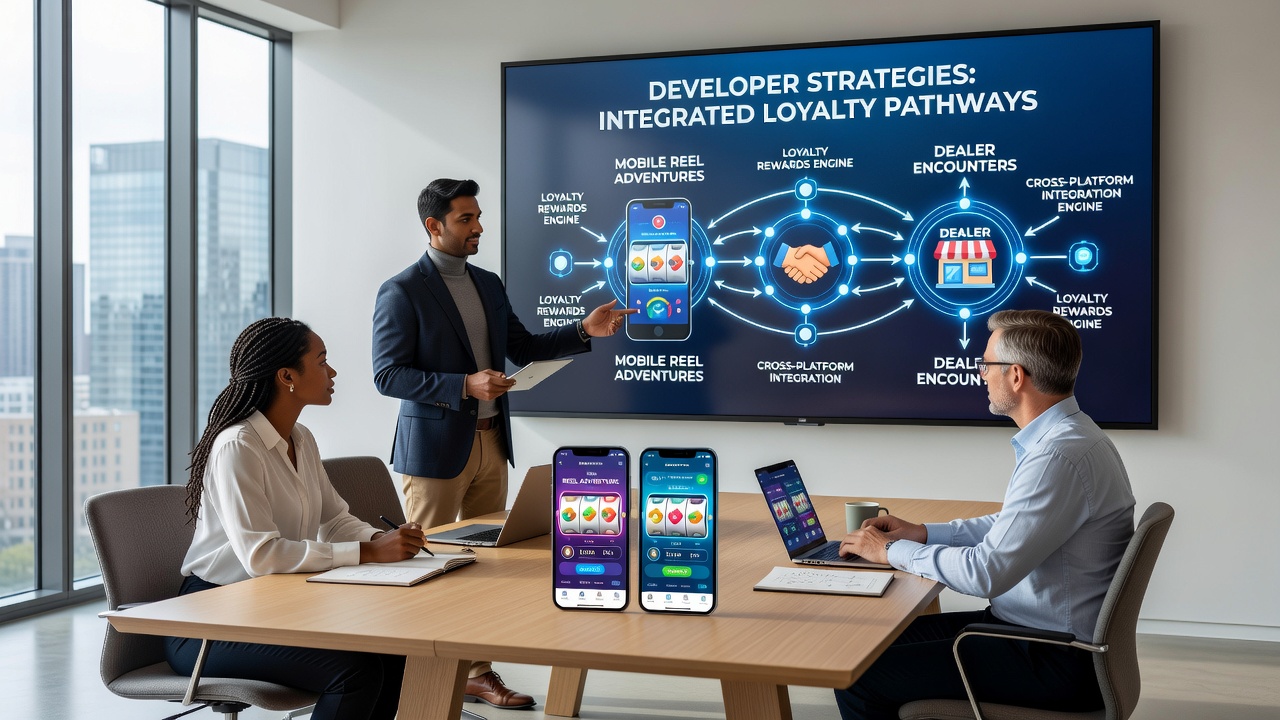
Event-driven features receive special attention in these architectures because they introduce variable timing that static loyalty programs struggle to accommodate. Developers build flexible event modules that register participation alongside regular game activity then apply tier-adjusted multipliers automatically. A player at an upper tier might receive enhanced odds or additional entries while lower tiers gain catch-up mechanics that still contribute to overall progression.
Integration extends to mobile notifications that link directly to the active event and display updated loyalty impact before the wager is placed. This reduces friction and keeps the connection between event participation and exclusive benefits visible throughout the experience.
Security and Compliance in Reward Pathways
Technical safeguards include encrypted data pipelines and segmented access controls that protect player information while enabling the cross-game calculations. Developers test these pathways against regulatory standards from multiple jurisdictions to ensure tier benefits and point transfers meet varying requirements without separate compliance layers for each game type.
By July 2026 several platforms had adopted blockchain-based audit trails for loyalty transactions that allow independent verification of point origins and redemptions across reel adventures, dealer encounters, card play, and event wagers. This approach supports transparency while maintaining the seamless feel of the integrated system.
Conclusion
Developers continue refining these connected loyalty frameworks by iterating on data models and interface designs that keep rewards consistent regardless of which mobile activity a player chooses. The emphasis remains on backend efficiency and real-time updates that make tier progression feel like a natural outcome of overall engagement rather than a collection of disconnected programs.