Entangled Pathways: Content Networks, Retention Architectures, and Payment Channels Converging on Mobile Entertainment Systems
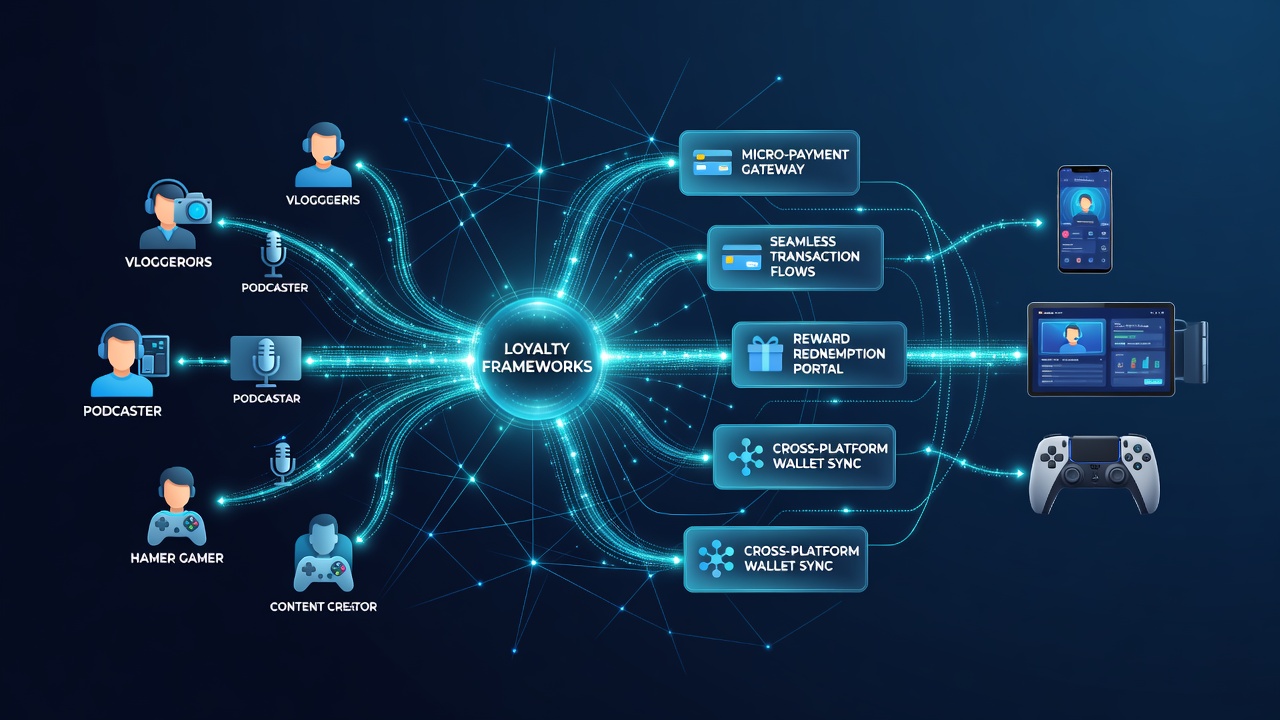
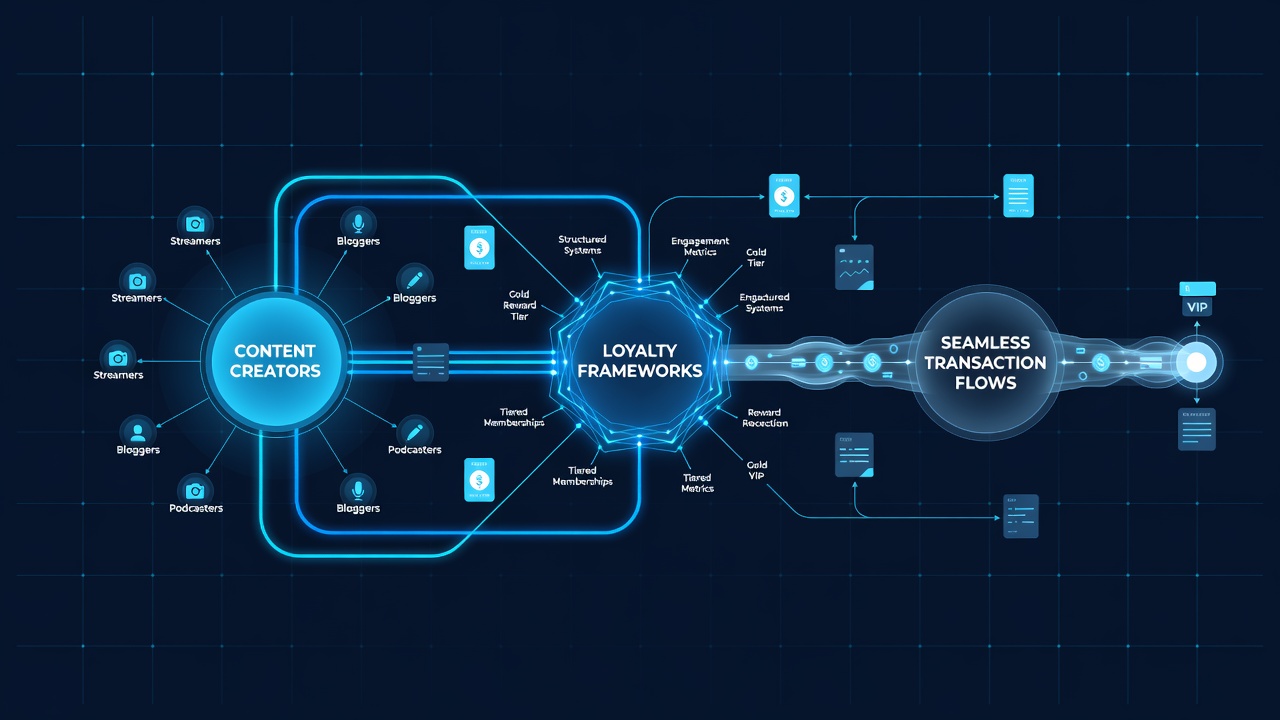
Content creators supply the core digital assets that populate portable entertainment platforms, while loyalty frameworks track user engagement patterns and transaction flows manage the movement of funds in real time, and these three elements form interdependent loops rather than isolated functions. Observers note that when a game provider releases a new title the integration points with existing reward structures and payment processors determine how quickly that content reaches active users across handheld devices.
Content Creation as the Foundation Layer
Game studios develop slots, table simulations, and live dealer streams that populate the libraries of mobile platforms, and these studios maintain direct connections to backend systems that record player activity for loyalty calculations. Data from industry reports shows that major providers synchronize release schedules with loyalty tier resets, which allows new content to trigger bonus eligibility windows automatically. Those who monitor platform architectures find that a single API endpoint often serves both content delivery and loyalty event logging, reducing latency between a user's first spin and the subsequent reward credit.
July 2026 brought updated compliance modules from several European regulatory bodies that require clearer audit trails linking content usage to loyalty point awards, and platforms responded by embedding timestamped logs directly into transaction ledgers. This change means every game round now carries metadata that loyalty engines can read without additional queries, streamlining the entire interconnection.
Loyalty Frameworks as Data Hubs
Loyalty systems operate as central repositories that aggregate behavioral signals from content consumption and payment activity, converting those signals into tier progression and personalized offers. Research indicates that when loyalty engines receive simultaneous feeds from both game servers and payment gateways the resulting profiles enable faster reward distribution, often within the same session. Experts have observed that portable platforms increasingly route loyalty calculations through the same microservices that handle deposit confirmations, creating a closed loop where a completed transaction immediately updates available bonuses.
One documented case involved a North American operator that linked its VIP ladder directly to payment processor callbacks, and this connection allowed instant tier upgrades upon reaching deposit thresholds. The arrangement reduced manual review steps and cut the average time from transaction to reward notification by several minutes.
Transaction Flows as the Connecting Tissue
Payment processors supply the infrastructure that moves value between users and platforms while simultaneously feeding data into loyalty databases and content recommendation engines. Figures from the European Gaming and Betting Association reveal that seamless transaction protocols now account for the majority of mobile deposit volume in regulated markets, and these protocols include embedded hooks that notify loyalty systems of successful fund movements. When a payment succeeds the platform can trigger content unlocks or loyalty multipliers without separate database calls, which keeps the user experience continuous across different game types.
Industry analysts point out that portable multifunction platforms rely on standardized tokenization methods that let payment data travel alongside game session data, and this parallelism supports real-time loyalty adjustments during live dealer sessions or sports betting events. The result appears in unified player histories that reflect both spending patterns and content preferences within a single record.
Interconnection Patterns Across Regions
Regulatory frameworks in Australia and Canada have introduced requirements for transparent data sharing between payment providers and loyalty operators, and these rules encourage platforms to document exactly how transaction events influence reward calculations. Academic studies from the University of Nevada, Las Vegas, examined mobile gambling ecosystems and found measurable increases in session length when loyalty updates occurred within seconds of payment confirmation. Such findings underscore the operational advantage of tightly coupled systems over sequential processing models.
Platforms that maintain separate silos for content, loyalty, and payments encounter higher reconciliation costs, whereas integrated architectures reduce error rates in reward distribution. Observers tracking July 2026 deployments noted that several operators completed full-stack migrations that placed loyalty logic inside payment confirmation workflows, and early metrics showed fewer disputed bonus awards as a direct outcome.
Future Mapping of These Connections
Continued evolution of these interconnections depends on standardized data schemas that allow content creators, loyalty engines, and payment gateways to exchange information without custom integrations for each new partner. Trade groups continue to publish guidelines that promote interoperability, and operators who adopt these standards report smoother onboarding of new game titles and faster loyalty tier migrations. The mapping exercise itself becomes an ongoing process as each component updates its interfaces to accommodate the others.
Conclusion
The documented relationships among content creators, loyalty frameworks, and transaction flows demonstrate that portable entertainment platforms function as coordinated systems rather than collections of independent modules, and evidence from regulatory updates, academic research, and operational case studies confirms that tighter integration correlates with measurable efficiency gains in reward delivery and user session continuity. Those who examine platform architectures in July 2026 and beyond will continue to track how these three domains exchange data to sustain seamless mobile experiences.