Evolving Networks: How Software Creators Synchronize Rewards Across Portable Gaming Interfaces
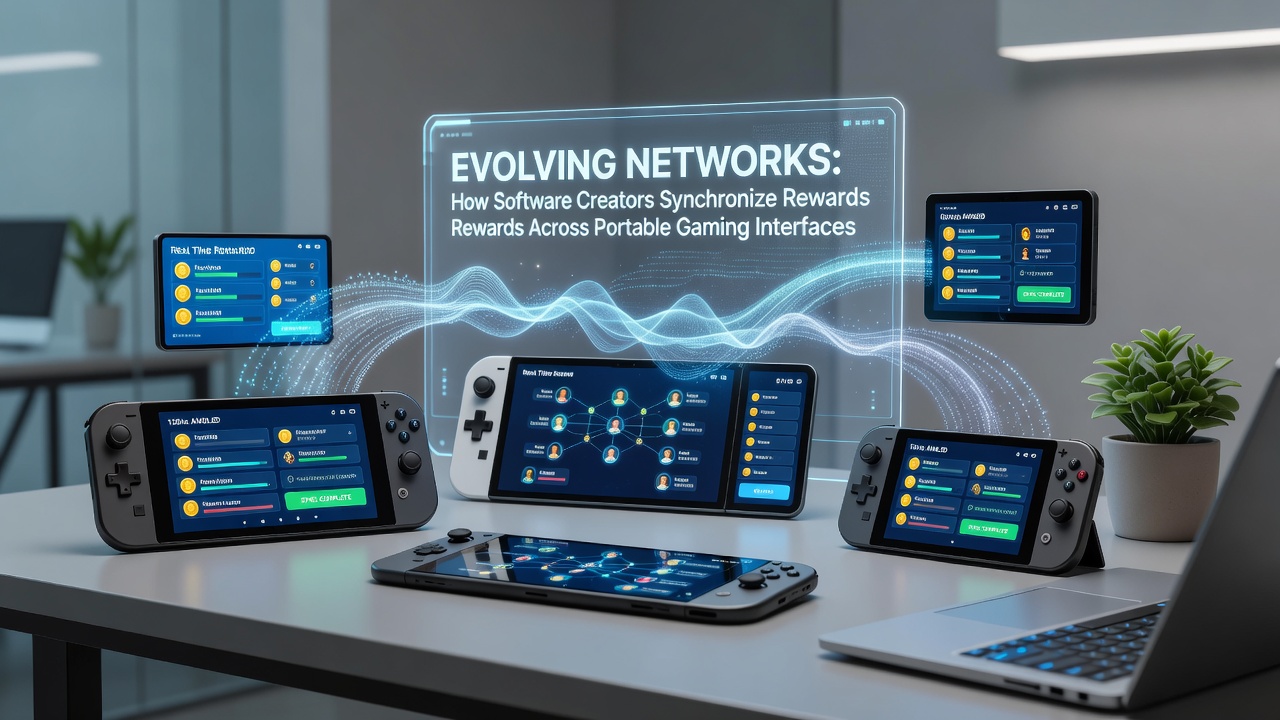
Software creators have developed intricate systems that align reward structures across mobile devices, ensuring players receive consistent bonuses, loyalty points, and VIP benefits regardless of the interface they use. These networks operate through centralized databases that update in real time, allowing seamless transitions between sessions on smartphones and tablets while maintaining accurate tracking of player activity and accumulated rewards.
Portable gaming interfaces now handle complex data exchanges that link slot mechanics, live dealer interactions, table games, and sports betting modules into unified reward ecosystems. Developers implement application programming interfaces that pull from shared servers, which prevents discrepancies in point balances or promotional eligibility when users switch devices mid-session.
Core Synchronization Technologies
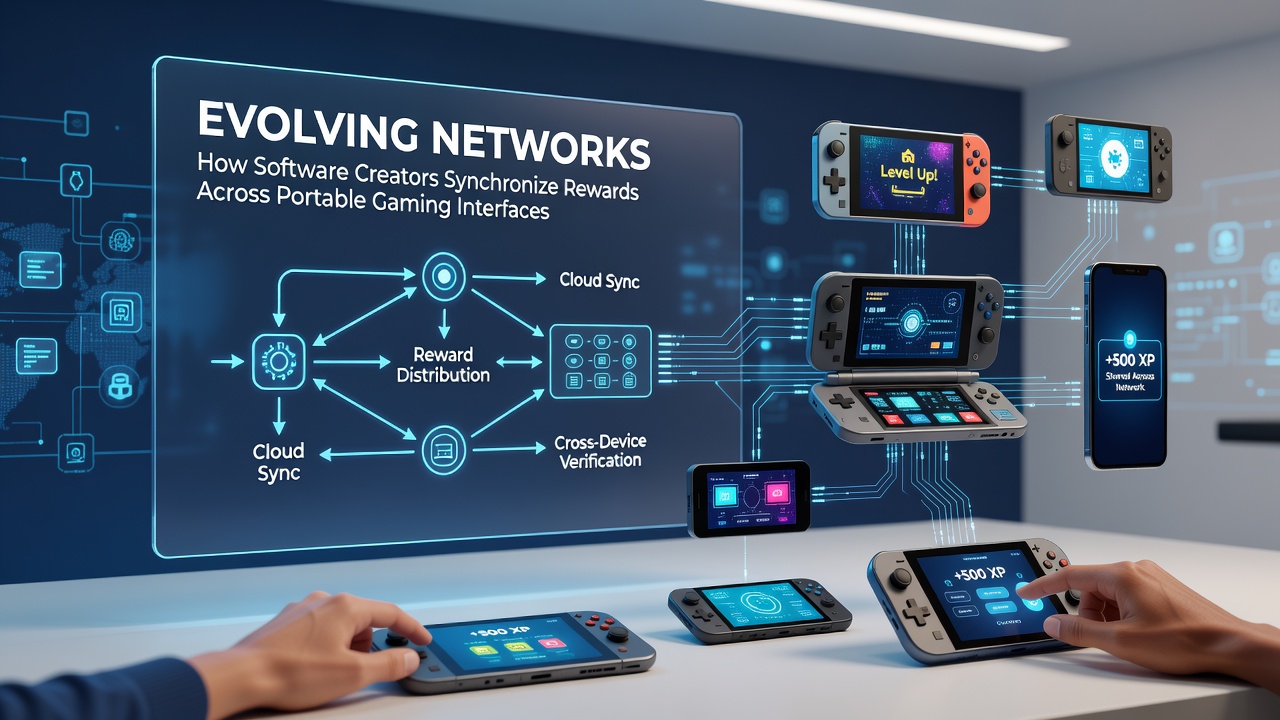
Modern architectures rely on cloud-based ledgers that record every transaction and reward allocation instantly across multiple endpoints. This setup lets creators push updates to mobile applications without requiring players to restart sessions or lose progress toward tiered benefits, and it supports cross-platform verification protocols that confirm user identity through secure tokens rather than repeated logins.
Observers note that these systems incorporate modular reward engines capable of handling variable game types simultaneously, which means a single loyalty multiplier can apply to spins on reels, wagers on sports markets, and decisions at virtual tables. Data flows through encrypted channels that meet standards set by regulatory frameworks in regions such as the European Union and Australia, where compliance requirements emphasize transparent tracking of all player incentives.
Integration with Mobile Operating Systems
Creators optimize their code for both major mobile platforms by embedding adaptive scripts that detect device capabilities and adjust reward display accordingly. A player who earns a deposit match on one handset sees the same offer reflected immediately when opening the application on another device, because the backend synchronizes the data before the interface loads.
Research from industry reports indicates that synchronization latency has dropped below two seconds in most commercial deployments, a development that became standard by early 2025 and continues to refine through iterative updates scheduled for rollout in July 2026. These refinements focus on reducing packet loss during peak usage periods when thousands of concurrent sessions compete for server resources.
Provider Strategies for Reward Alignment
Leading software houses maintain dedicated teams that monitor player journeys across portable interfaces and adjust algorithms to preserve reward parity. They employ predictive models that anticipate device switches based on usage patterns, pre-loading relevant data to avoid interruptions in bonus eligibility or VIP progression tracking.
One documented approach involves token-based authentication layers that carry reward metadata alongside gameplay logs, allowing any connected interface to reconstruct the current status without querying the full database each time. This method reduces server load while ensuring that promotions tied to cumulative activity remain accurate, whether the user engages through native applications or browser-based portals.
According to findings published by the American Gaming Association, synchronized reward networks have increased average session retention rates by measurable margins in markets where multiple device usage exceeds sixty percent of total playtime. Similar patterns appear in analyses from Canadian regulatory bodies that track cross-platform activity in licensed environments.
Security and Compliance Layers
Encryption protocols wrap every data packet exchanged between mobile clients and central servers, protecting details such as point totals, bonus codes, and tier status. Developers integrate multi-factor checks that trigger during high-value reward redemptions, adding safeguards without introducing noticeable delays for routine activity.
Regulatory updates expected in July 2026 will require additional audit trails for reward synchronization events, prompting creators to embed logging functions that capture every transfer of loyalty data across interfaces. These measures align with broader international standards that emphasize verifiable fairness in how incentives distribute among players on handheld devices.
What's interesting is how these networks accommodate regional variations in promotional rules while maintaining a single underlying reward ledger, a capability achieved through configurable rule sets that activate based on user location detected at login.
Future Developments in Network Architecture
Emerging frameworks explore blockchain elements for immutable reward records that multiple providers could reference without central points of failure. Early trials show promise in reducing reconciliation errors when players move between applications developed by different studios yet sharing common loyalty pools.
Industry organizations such as the European Gaming and Betting Association have highlighted the need for standardized data formats that would further streamline synchronization across portable gaming interfaces. Adoption of such formats would allow smaller creators to integrate their reward modules into larger ecosystems without extensive custom development.
Conclusion
Software creators continue to refine the technical foundations that keep reward systems coherent across portable gaming interfaces. Through coordinated use of real-time databases, adaptive APIs, and compliance-focused logging, these networks deliver consistent player experiences that scale with device diversity and regulatory expectations. Ongoing work scheduled around July 2026 targets further reductions in latency and expanded support for emerging mobile hardware, ensuring that reward synchronization remains reliable as usage patterns evolve.