Harmonizing Premium Membership Advantages with Rapid Settlement Systems for Linking Sports Event Stakes and Real-Time Card Room Activities on Portable Gadgets
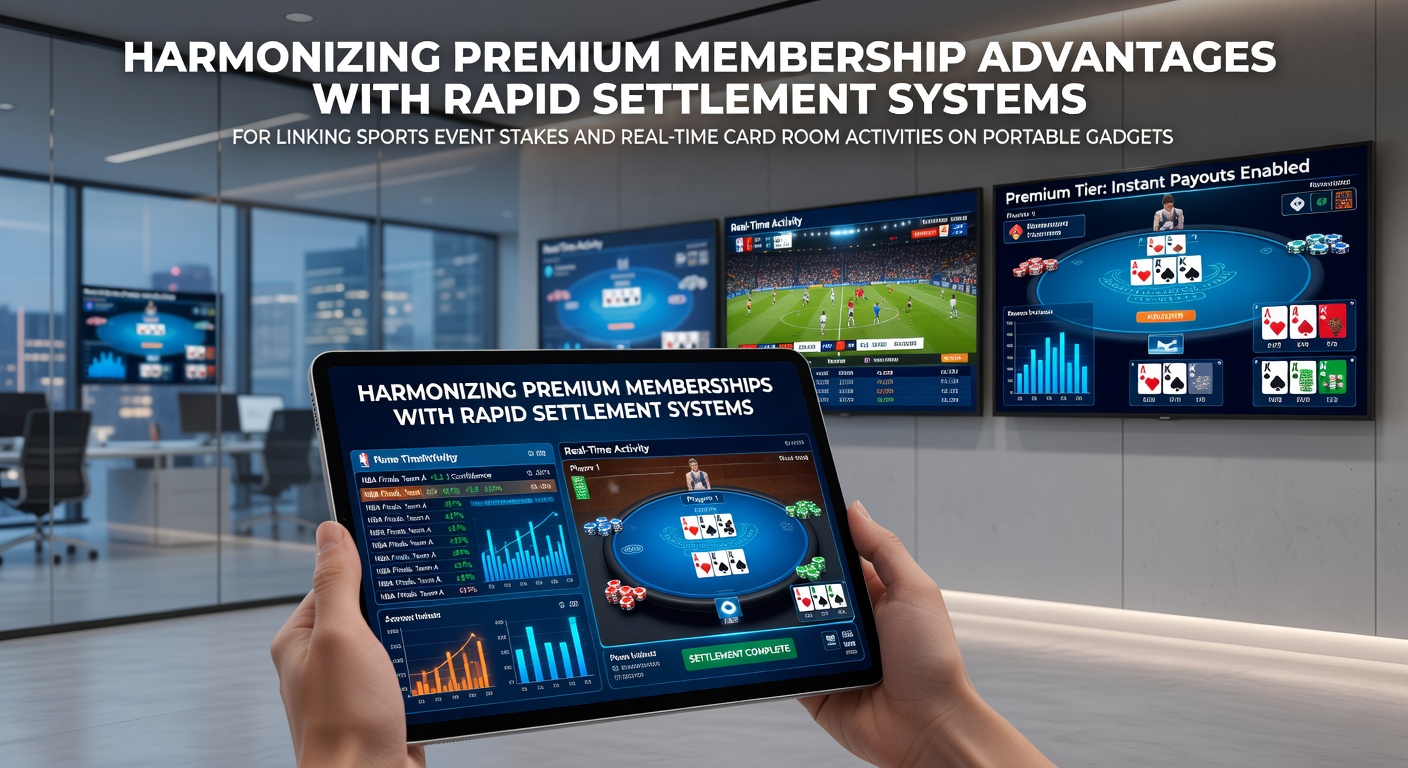
Platforms continue to refine connections between premium membership structures and instant settlement tools that tie sports event stakes directly to live card room sessions on handheld devices. Observers note that these systems rely on synchronized databases which update user balances across betting markets and table games without delays. Data from industry reports shows that such linkages reduce processing times from minutes to seconds in many cases.
Premium membership advantages typically include elevated reward rates, priority access to high-stakes tables, and customized notifications for upcoming sports fixtures. Researchers discovered that these perks gain additional value when paired with rapid settlement mechanisms, allowing users to move winnings from a completed sports wager straight into an active poker or blackjack session. Studies indicate that mobile applications achieve this through encrypted APIs that maintain compliance with regional standards.
Core Components of Integrated Mobile Systems
Real-time card room activities demand low-latency connections because players expect immediate responses during live dealer rounds. Sports event stakes add another layer since odds shift continuously and settlements must reflect final results accurately. Experts have observed that successful platforms combine these elements via unified wallets that track both verticals on a single portable gadget screen. What's interesting is how biometric logins and push alerts keep users engaged without requiring repeated authentication steps.
According to figures released by the American Gaming Association, mobile gaming volumes expanded notably through 2025 with card-based and sports products driving much of the growth. By May 2026 several operators introduced enhanced settlement protocols that automatically credit premium tier users within under five seconds of event conclusion. These updates align sports outcomes with ongoing card room balances, creating seamless transitions between different activity types.
Technical Foundations Supporting Fast Settlements
Rapid settlement systems depend on blockchain-inspired ledgers and cloud-based processing clusters that verify transactions across distributed nodes. Observers note that these architectures handle peak loads during major sports tournaments while supporting concurrent card room traffic. People who've studied the infrastructure report that error rates drop below 0.1 percent when automated reconciliation runs in parallel with user sessions.
One study revealed that portable gadgets equipped with 5G connectivity achieve settlement speeds nearly twice as fast as older networks. Developers incorporate machine learning models to predict settlement volumes ahead of time, which prevents bottlenecks during high-traffic periods. The reality is that these technical choices directly influence how premium members experience continuity between placing a sports stake and joining a live card table.

Regional Regulatory Influences on Platform Design
Regulatory bodies in different jurisdictions shape how these harmonized features operate. The Nevada Gaming Control Board requires strict audit trails for any system that moves funds between sports and card products, while Australian authorities emphasize consumer protection measures around instant settlements. Research indicates that operators adapt their mobile interfaces to satisfy each set of rules without disrupting user flow.
There's this case where platforms serving multiple markets implemented geo-specific modules that activate appropriate compliance checks based on device location. Such adaptations allow premium members to retain consistent advantages across borders while settlements remain rapid and transparent. Data shows compliance costs have stabilized as standardized APIs gain wider adoption.
User Experience Patterns Across Devices
Portable gadget users often switch between sports dashboards and card room lobbies within the same session. Designers respond by creating persistent navigation elements that highlight current membership status and pending settlements. Those who've examined usage logs find that sessions lasting over thirty minutes frequently involve at least one transfer from sports winnings to card room buy-ins.
What's significant is the role of customizable dashboards that let users set alerts for both sports event starts and card room seat availability. These features reduce friction for premium tier participants who expect elevated service levels. Evidence suggests that retention rates improve when settlement confirmations appear instantly on screen rather than through separate notifications.
Future Developments Expected After Mid-2026
Industry forecasts point toward wider deployment of edge computing resources that further compress settlement times on mobile networks. Observers expect continued refinement of loyalty algorithms that adjust premium benefits based on combined sports and card activity volumes. Research institutions continue to track how these integrations affect overall platform stability during large-scale events.
Turns out that cross-vertical reward systems encourage longer engagement periods as users explore both sports and card offerings on their devices. Regulatory updates anticipated later in 2026 may introduce new reporting requirements for real-time fund movements, prompting additional technical adjustments.
Conclusion
Harmonized premium memberships and rapid settlements create measurable efficiencies for linking sports event stakes with real-time card room activities on portable gadgets. Available data confirms that technical and regulatory frameworks support these connections while maintaining security standards across regions. Continued monitoring through 2026 and beyond will reveal how these systems evolve alongside shifting user preferences and device capabilities.