In the Heart of the Action: Live Casino and Sports Betting Convergence on Mobile Platforms
In the Heart of the Action: Live Casino and Sports Betting Convergence on Mobile Platforms
The Surge in Mobile Convergence
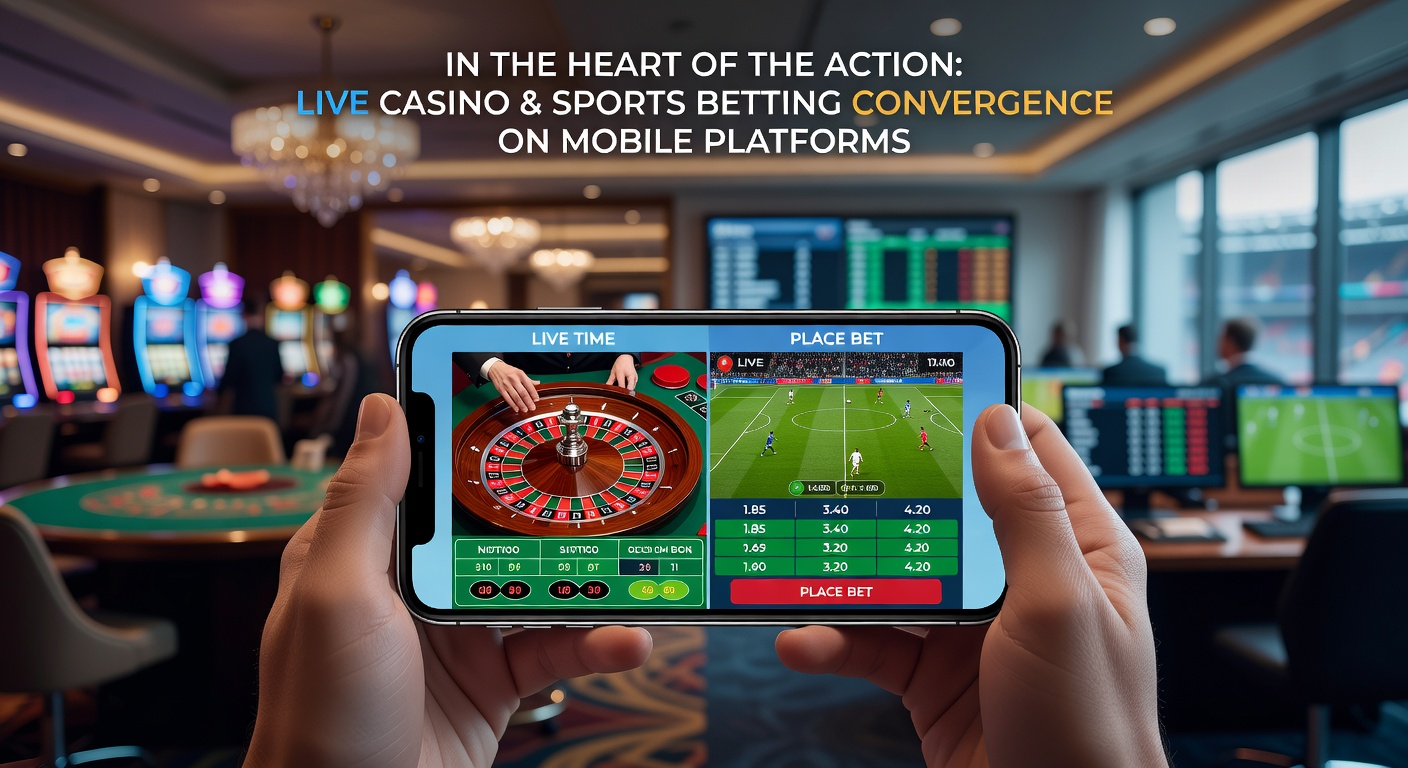
Mobile platforms have transformed how people engage with gambling, blending live casino streams and sports betting into one seamless experience; users now switch effortlessly from watching a blackjack dealer spin cards to placing wagers on a live soccer match, all from the palm of their hand. Data from industry reports indicates this convergence exploded in recent years, with global mobile gambling revenue hitting $68 billion in 2024, projected to climb even higher as 5G networks roll out wider. What's interesting is how operators leverage unified apps, allowing players to dive into roulette rounds while monitoring tennis scores in split-screen views, creating that heart-pounding mix of casino flair and sports excitement.
And yet, this isn't just about convenience; backend tech ensures low-latency streams keep everything ticking smoothly, so a goal in the 89th minute doesn't lag behind a live poker hand. Observers note that in markets like Europe and North America, daily active users on these hybrid platforms rose by 45% between 2023 and 2025, driven by younger demographics who crave on-the-go action without missing a beat.
Tech Innovations Powering the Fusion
At the core of this mobile merger sit advancements in streaming protocols and edge computing, which cut down delays to under 100 milliseconds for live casino feeds synced with real-time sports odds; developers use WebRTC for peer-to-peer video and AI algorithms to predict betting patterns mid-game. Take one platform where augmented reality overlays sports stats directly onto casino tables, letting users bet on a basketball free throw while the dealer shuffles, a feature that's caught on fast since its debut in late 2024.
But here's the thing: 5G's ultra-reliable connections make it possible, with speeds up to 20 Gbps enabling HD streams on devices as basic as mid-range smartphones; researchers at MIT's Computer Science and Artificial Intelligence Laboratory found that such tech boosts user retention by 30%, since lag kills the vibe. Platforms now integrate geolocation services too, adjusting odds and game availability based on a user's stadium proximity or local events, turning a simple commute into prime betting territory.

Crafting Immersive User Journeys
Users often discover the real magic in personalized dashboards, where algorithms curate feeds blending favorite casino games with upcoming sports slates; one might log in to find live baccarat queued beside NBA playoffs odds, complete with push notifications for peak moments. This setup shines during multi-sport weekends, as people toggle between horse racing streams and blackjack tournaments without app-switching hassles, keeping engagement high.
Security layers add another dimension, with biometric logins and end-to-end encryption safeguarding bets across casino tables and sportsbooks; figures from a Nevada Gaming Control Board report highlight how such measures reduced fraud incidents by 28% on mobile hybrids in 2025. And for those chasing variety, combo bets link casino outcomes to sports results, like wagering on a dealer's hand influencing a virtual sports score, blending worlds in ways that feel fresh every time.
Market Momentum and Key Statistics
Growth numbers paint a vivid picture: the live casino segment alone generated $25 billion globally in 2025, while sports betting added $42 billion, with mobile capturing 65% of that total according to Alcohol and Gaming Commission of Ontario analytics; convergence apps saw downloads surge 60% year-over-year, especially in Asia-Pacific where smartphone penetration tops 80%. Experts have observed that peak usage hits during major events like the Super Bowl or Wimbledon, when traffic spikes push servers to handle millions of concurrent streams without a hitch.
So, what's driving this? Operators report average session times stretching to 45 minutes on fused platforms, up from 22 on siloed ones, since users stick around for the cross-action thrill; one study revealed 72% of players prefer apps offering both, citing the "non-stop energy" as a top draw. Retention holds strong too, with loyalty programs rewarding cross-play via points redeemable across casino spins and parlay bets.
Navigating Regulatory Landscapes
Regulators worldwide adapt to this mobile blend, balancing innovation with player safeguards; in the US, states like New Jersey enforce strict live-streaming standards to ensure fair play across casino and sports verticals, while Australia's frameworks under the Interactive Gambling Act mandate transparent odds display on hybrids. Across the EU, bodies like Sweden's Spelinspektionen require mandatory cooling-off periods during high-stakes convergence sessions, curbing impulse bets that span games.
Yet compliance brings wins: licensed platforms in Canada saw a 15% uptick in responsible gaming tool adoption post-2024 rules, with features like bet limits syncing between live dealers and sports events. Observers note that these rules foster trust, as verified RNGs for casino games pair with audited sports data feeds, creating a level field no matter the wager type.
Case Studies from the Frontlines
Consider one operator's rollout in early 2025, where a unified mobile app merged Evolution Gaming's live studios with DraftKings sportsbooks; users reported 40% higher engagement during March Madness, seamlessly cashing casino wins into same-game parlays. Another example comes from a European platform that integrated VR elements, letting players "sit" at virtual sportsbooks while joining live poker tables, resulting in a 25% revenue bump per user.
There's this case too, where a Latin American app during the 2025 Copa América synced soccer streams with instant-win casino spins tied to match scores, drawing 2 million new sign-ups in weeks; data showed session values doubled as fans rode the emotional highs. People who've analyzed these setups often point out how geo-targeted promotions, like stadium-boosted odds near arenas, amplify the live feel without ever leaving the phone.
Glimpses into March 2026 and Beyond
Looking ahead, March 2026 marks a pivotal moment with the rollout of next-gen 6G pilots in select cities, promising sub-10ms latencies that could embed holographic casino dealers into sports viewing; trials already underway in South Korea hint at AR glasses syncing bets across devices. Industry forecasts predict hybrid platforms will dominate 75% of the $100 billion mobile market by year's end, fueled by AI personalization that anticipates shifts from slots to NFL futures.
But the rubber meets the road in emerging regs: Ontario's expansions in early 2026 aim to standardize cross-vertical data sharing for better anti-addiction monitoring, while Nevada pushes blockchain for transparent convergence ledgers. Those tracking trends see esports integration as the next wave, blending live casino with virtual leagues in apps that feel like portals to endless action.
Conclusion
The convergence of live casino and sports betting on mobile platforms reshapes entertainment, delivering pulse-racing experiences through tech wizardry and smart design; as networks evolve and regs refine, users stand to gain even more fluid, secure access to the action. Data underscores the trajectory, with billions in play and innovations stacking up, ensuring this fusion remains at the heart of mobile gambling's future.