Integrated Loyalty Frameworks: Game Providers Uniting Reel, Table, and Wager Experiences on Mobile Platforms
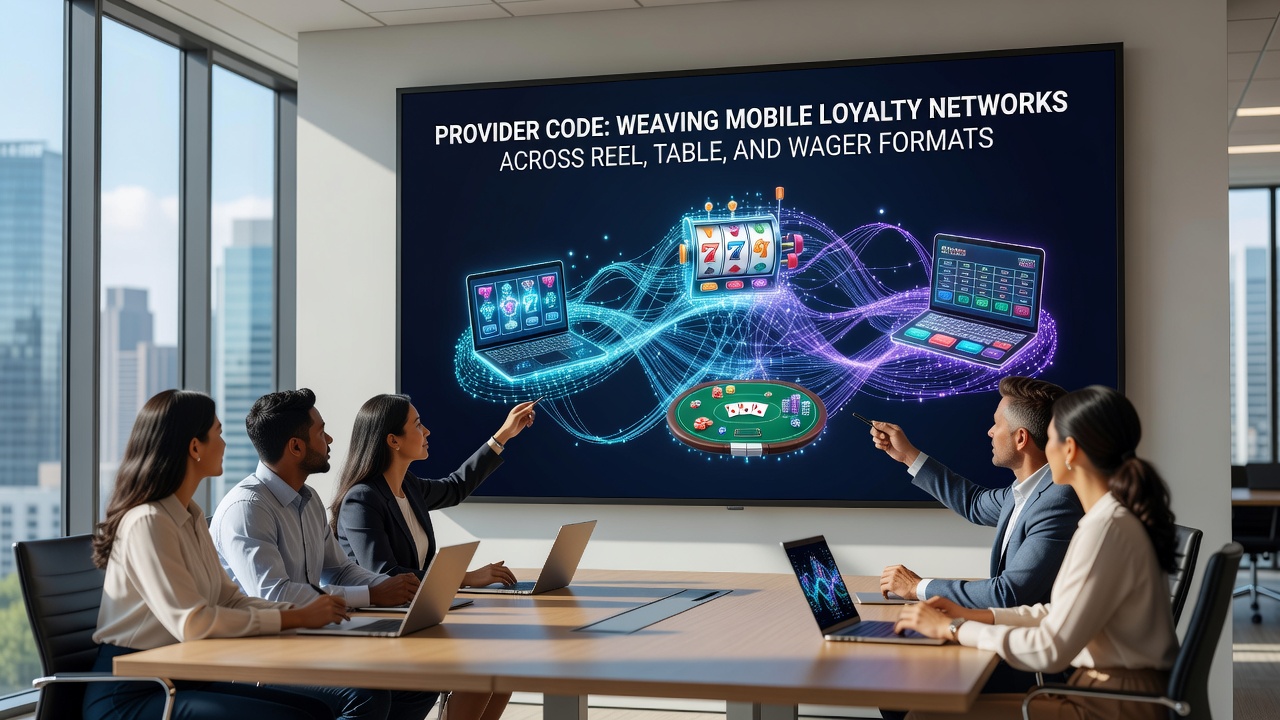
Game providers have developed technical architectures that connect loyalty mechanisms across slot machines, table games, and sports wagering on mobile devices through shared code layers and centralized player tracking systems. These frameworks allow point accumulation and reward redemption to function seamlessly regardless of the game format accessed on a single app or platform.
Operators implement application programming interfaces that log activity from reel spins, card draws, and event bets into unified databases. Data from these sources feeds into algorithms that calculate tier progression and bonus eligibility based on combined play volume rather than isolated game categories. Providers such as those supplying major operators report that this approach reduces fragmentation in player accounts while maintaining separate regulatory compliance modules for each jurisdiction.
Technical Architecture Behind Cross-Format Tracking
Developers embed modular code components that handle event triggers from different game engines while routing data to a common loyalty ledger. A slot session registers coin-in values through one module, a blackjack table records hand totals via another, and a sports market bet logs stake amounts through a third, yet all contribute to the same player profile. This structure emerged from iterative updates to backend systems that previously operated in silos.
Testing conducted in controlled environments during early 2025 demonstrated that latency between game action adn point updates dropped below 200 milliseconds when these modules operated on shared cloud instances. Mobile device constraints such as intermittent connectivity receive mitigation through local caching that syncs upon reconnection, preserving continuity for users switching between formats mid-session.
Player Account Synchronization Across Devices
Account data travels between phones, tablets, and desktop clients using encrypted tokens that carry loyalty balances and history. When a user moves from a slot reel session on a commute to a table game at home, the system recognizes the existing profile and applies consistent rules without requiring manual re-entry of credentials. Observers note that this reduces support ticket volume related to balance discrepancies.

July 2026 brought the rollout of an updated data exchange protocol adopted by several international suppliers, which standardized how sports wager results interface with table game multipliers. Early adopters reported improved accuracy in multi-format promotions that award extra points for completing sequences involving both live dealer sessions and pre-match bets.
Regulatory Alignment and Data Handling
Jurisdictions maintain distinct requirements for responsible gambling tools and audit trails, so providers isolate sensitive variables within the loyalty code while keeping a single user interface. Canadian provincial frameworks and Australian state commissions have issued guidance documents that address aggregated play data across categories, and operators reference these when configuring regional instances of the same platform. Victorian Responsible Gambling Foundation reports outline data standards that align with such technical setups.
Encryption standards follow guidelines from the European Committee for Standardization, ensuring that loyalty transactions meet cross-border expectations even when a player accesses content hosted in multiple regions. Providers maintain separate logs for each regulatory body, which simplifies compliance audits without altering the player-facing experience.
Future Development Patterns
Research from the University of Nevada, Las Vegas International Gaming Institute indicates that integration depth continues to increase as more operators request unified reporting dashboards. Institute publications track adoption rates among suppliers and note that platforms supporting at least three game verticals within one loyalty structure now represent a growing segment of new deployments.
Additional modules under development focus on predictive analytics that suggest format transitions based on historical patterns, though these remain optional for operators. The underlying code base supports incremental additions without full system replacements, which allows gradual rollout across existing mobile applications.
Conclusion
Provider code structures now routinely link loyalty mechanics across reel-based, table-based, and wager-based formats on mobile platforms through shared tracking layers and standardized data flows. These systems handle synchronization, regulatory isolation, and performance optimization while delivering a continuous experience for account holders. Updates scheduled through 2026 and beyond build on the same modular foundation, extending capabilities without disrupting established player profiles.