Integrating Digital Platforms: Provider Approaches to Unifying Slots, Live Dealer Experiences, and Sports Wagering on Portable Devices
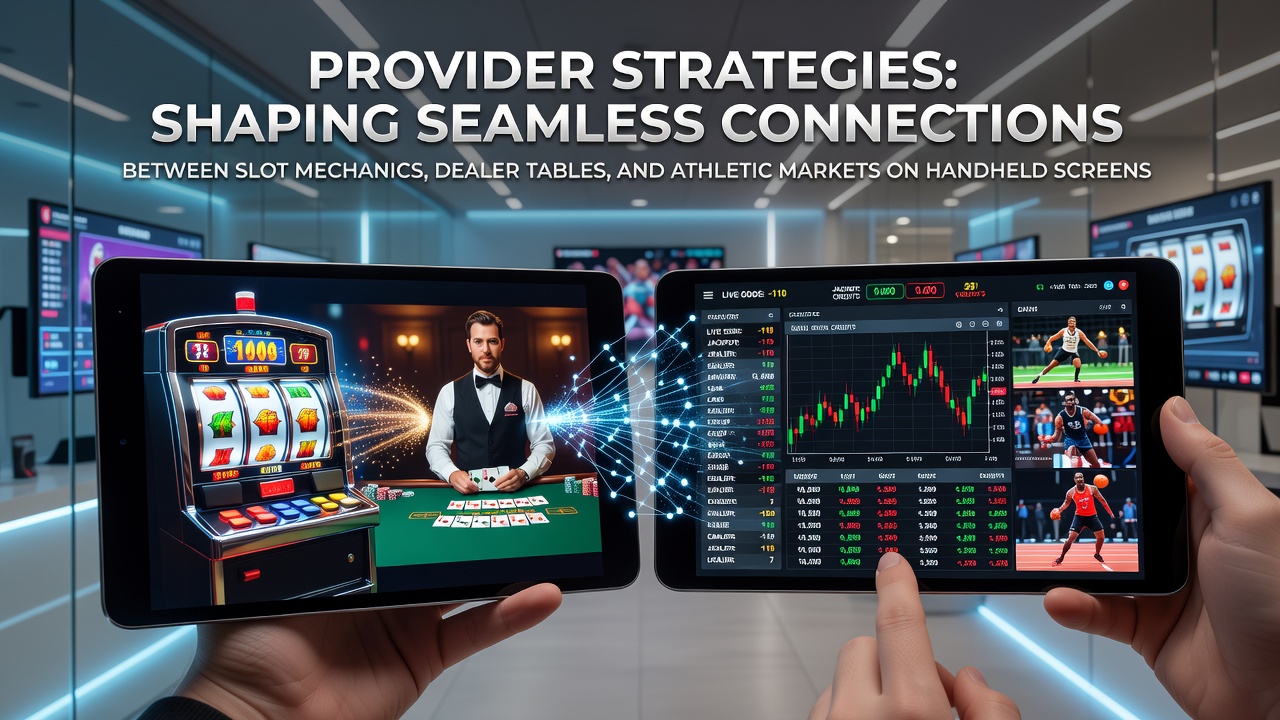
Game providers have developed multiple technical frameworks that link slot mechanics with live dealer tables and athletic markets through shared mobile applications, allowing users to transition between reel-based games, streamed card and table sessions, and real-time sports wagers on the same handheld device. These connections rely on unified account systems, synchronized data feeds, and cross-category reward structures that operators implement across different regulatory environments.
Core Technical Connections
Providers build application programming interfaces that pull slot outcome data into live dealer interfaces while simultaneously feeding sports event probabilities into the same dashboard, which means a player can complete a reel spin sequence and immediately view updated odds on an athletic contest without switching applications. Data synchronization occurs through cloud-based servers that update player balances and session histories in real time, reducing the steps required to move between categories.
Research from the University of Nevada Reno Gaming Research Center shows that integrated platforms record higher session continuity rates because users encounter fewer login barriers when moving from one product type to another. Observers note that these systems often share a single wallet that handles deposits, withdrawals, and bonus conversions across slots, dealer tables, and sports markets.
July 2026 Platform Updates
In July 2026 several providers released software updates that expanded real-time data sharing between slot engines and sports betting modules, incorporating live event statistics directly into bonus trigger conditions on handheld screens. These updates allow reel features to activate based on concurrent athletic results, such as a multiplier bonus triggered by a goal scored in a linked football match.
Operators report that the updates also improved stream quality for dealer tables by optimizing bandwidth allocation when users maintain multiple active sessions on a single device. The changes align with broader industry efforts to maintain consistent user experiences across different product verticals.
Reward and Loyalty Integration
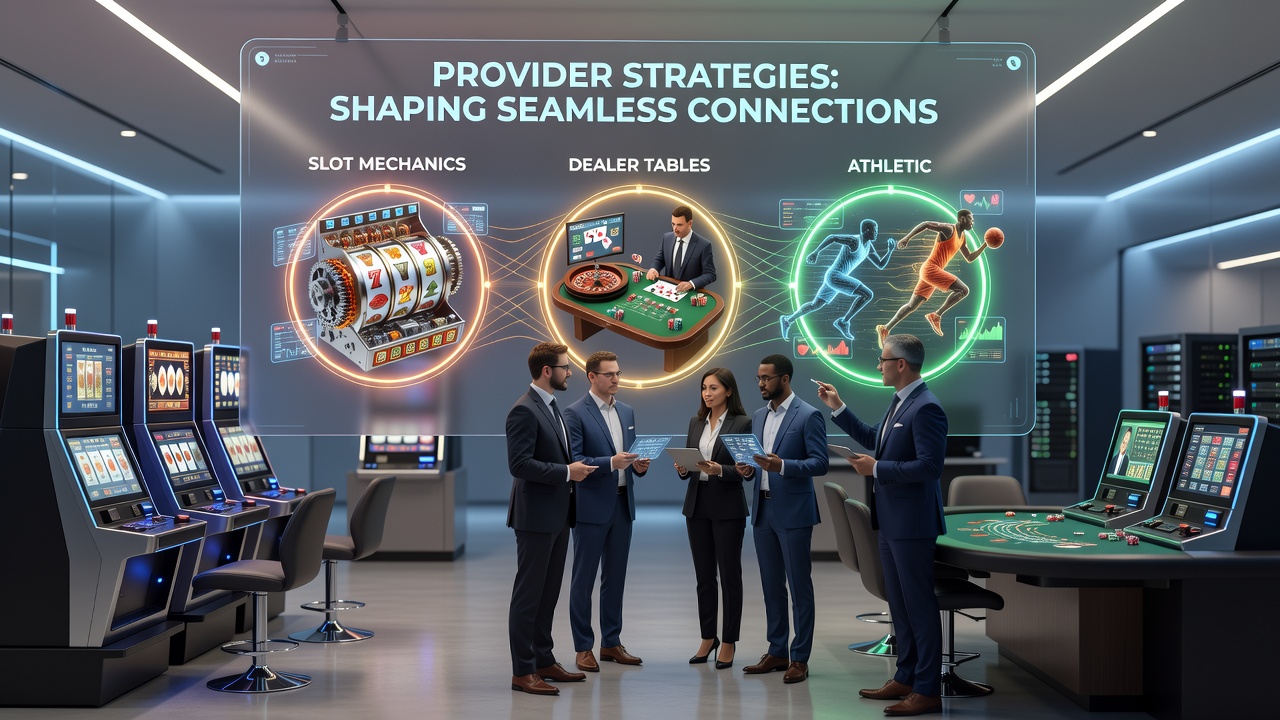
Loyalty programs now aggregate activity across slots, dealer tables, and sports markets into unified point systems that providers manage through centralized databases. A player accumulating points from reel spins can redeem those points for enhanced table limits or improved sports odds without separate qualification processes. According to figures released by the American Gaming Association, such combined reward structures appear in approximately 65 percent of major mobile platforms launched or updated since 2024.
Providers implement tiered VIP pathways that recognize total activity volume rather than category-specific spend, which allows users to progress through loyalty levels by combining time spent on dealer streams with wagers placed on athletic events. Case studies from operators in regulated markets demonstrate that these unified programs increase retention metrics compared with siloed reward systems.
Regional Regulatory Influences
Regulatory frameworks in multiple jurisdictions require providers to maintain separate licensing for each product category while still permitting technical integration on user devices. In Australia, the Northern Territory Racing Commission guidelines permit shared payment processing across game types provided that responsible gambling tools remain accessible at every transition point. Similar provisions exist in several Canadian provinces where operators must display category-specific risk warnings even when platforms present unified interfaces.
Industry reports indicate that providers adjust their connection strategies to satisfy these overlapping requirements without fragmenting the mobile experience. Technical teams test each integration layer against local compliance checklists before deployment, which adds development time but ensures continued market access.
Future Development Patterns
Providers continue to explore additional layers of connectivity, including predictive analytics that suggest sports wagers based on recent slot performance or dealer table outcomes. These features rely on anonymized usage data processed through secure servers and presented as optional recommendations within the application interface. European trade associations have documented pilot programs testing these suggestion engines in controlled environments.
Hardware advancements in handheld devices support higher-quality video streams for dealer tables while maintaining low-latency connections to sports markets, which allows providers to deliver consistent performance across varying network conditions. Observers expect continued refinement of these cross-category links as device capabilities expand.
Conclusion
Provider strategies for connecting slot mechanics, dealer tables, and athletic markets on handheld screens center on shared technical infrastructure, unified reward systems, and compliance-aware integration methods. These approaches enable fluid movement between product categories while meeting requirements from multiple regulatory bodies. Data from industry sources and academic studies indicate measurable effects on session continuity and retention when such connections operate effectively.