Mapping Information Flows Across Mobile Incentive Networks
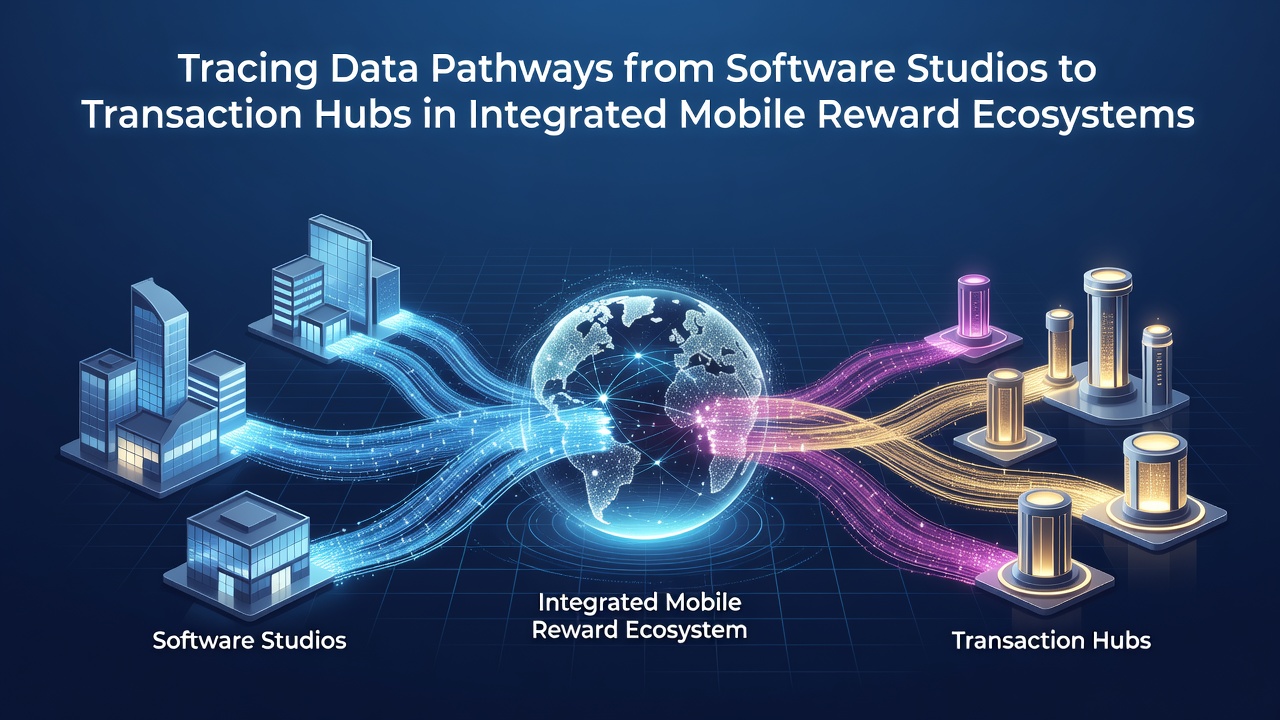
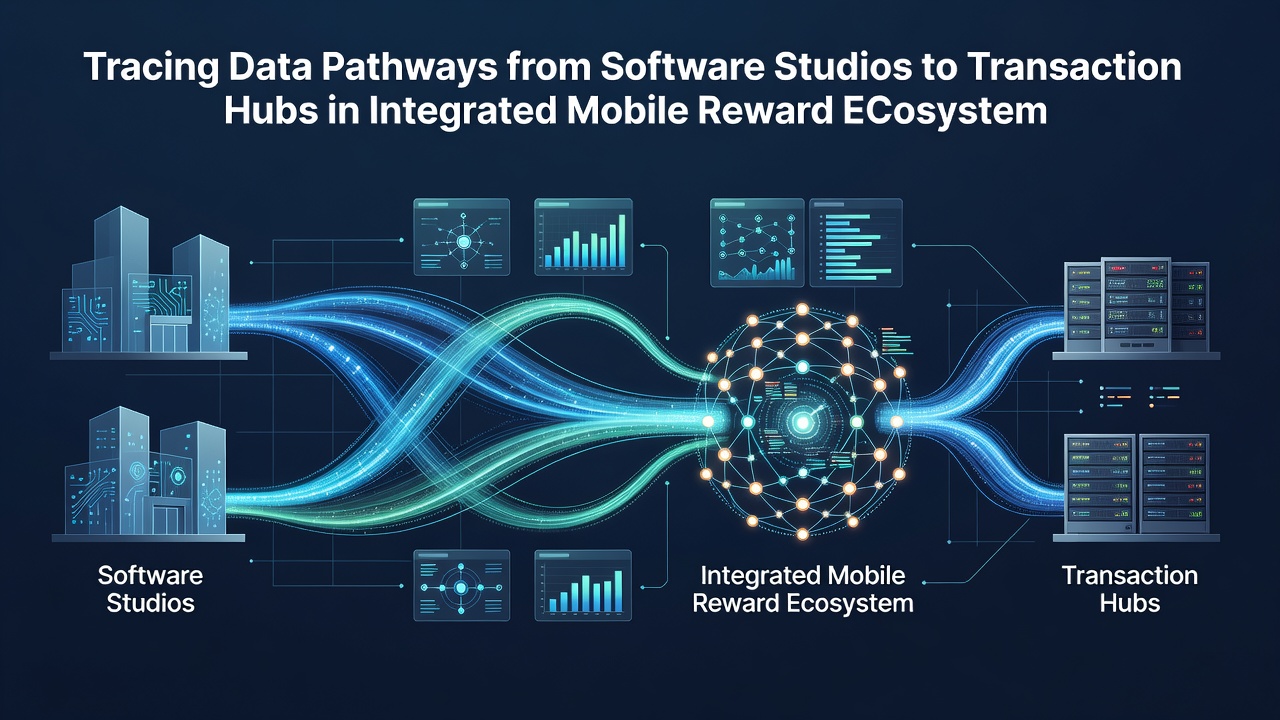
Software development studios generate the core logic that powers mobile reward applications, sending structured datasets through layered protocols to transaction hubs that handle point issuance, redemption, and settlement. These pathways rely on standardized APIs, encrypted channels, and compliance checkpoints that maintain data integrity while scaling across millions of daily interactions.
Initial Data Capture at Development Studios
Development teams embed tracking modules directly into application code, capturing user engagement metrics such as session duration, reward triggers, and device identifiers at the moment of interaction. These modules format information into JSON payloads that travel via secure HTTP requests, often incorporating tokenization to mask sensitive identifiers before transmission begins. Observers note that studios increasingly adopt edge computing nodes to preprocess data locally, reducing latency and filtering out noise before packets reach broader networks.
Transmission Layers and Protocol Standards
Once captured, data packets move through intermediary gateways that validate schema compliance and apply rate limiting to prevent overload. Protocols like OAuth 2.0 and mutual TLS establish authenticated sessions, while message queues such as Apache Kafka buffer high-volume streams during peak periods. Research from the IEEE indicates that adoption of these queue systems has grown steadily, supporting throughput rates exceeding 10,000 events per second in large-scale deployments. And yet transmission does not end there, as regional data residency rules require routing decisions based on user location, directing flows toward approved cloud regions.
Processing at Transaction Hubs
Transaction hubs aggregate incoming streams, matching reward events against predefined business rules stored in relational databases. Matching algorithms calculate point values, apply tier multipliers, and trigger ledger updates that record both credit and debit actions in near real time. Data shows that hubs often employ distributed ledger techniques alongside traditional databases to create immutable audit trails, satisfying requirements from bodies such as the Australian Competition and Consumer Commission. When anomalies appear, automated reconciliation routines flag discrepancies and route them to human review queues.
Security and Compliance Checkpoints
Encryption at rest and in transit protects payloads throughout teh journey, with key rotation schedules managed centrally to limit exposure windows. Compliance engines cross-reference each transaction against privacy frameworks, logging consent states and data minimization outcomes. In July 2026, updates to cross-border data transfer agreements are expected to introduce new attestation requirements, compelling hubs to verify studio-level controls before accepting flows from certain jurisdictions. Those who monitor these systems report that automated policy engines now handle the majority of checks, leaving only edge cases for manual intervention.
Analytics and Feedback Loops
Processed information returns to studios through aggregated dashboards that highlight engagement trends without exposing individual records. These loops allow developers to refine reward mechanics while transaction hubs retain sole custody of financial settlement data. A paper published by researchers at the University of Toronto outlines how differential privacy techniques applied at the aggregation stage reduce re-identification risks without sacrificing analytical utility. Observers note that such feedback mechanisms have become standard in ecosystems handling both consumer-facing rewards and enterprise loyalty programs.
Scaling Considerations in July 2026
Current infrastructure investments focus on container orchestration platforms that allow hubs to spin up additional processing nodes during promotional events. Metrics collected by industry groups such as the Mobile Marketing Association show average daily event volumes climbing above 50 million across major platforms. Because demand patterns fluctuate with marketing campaigns, predictive scaling models now incorporate external signals like app store ranking changes to anticipate load spikes days in advance.
Conclusion
The pathways connecting software studios to transaction hubs form a tightly orchestrated sequence of capture, validation, processing, and feedback stages that together sustain integrated mobile reward ecosystems. Continued refinement of protocols, security layers, and regulatory alignment will determine how efficiently these networks handle future growth while preserving data accuracy and user trust.