Provider Innovations Linking Table Card Games and Live Event Markets via Mobile Loyalty Systems
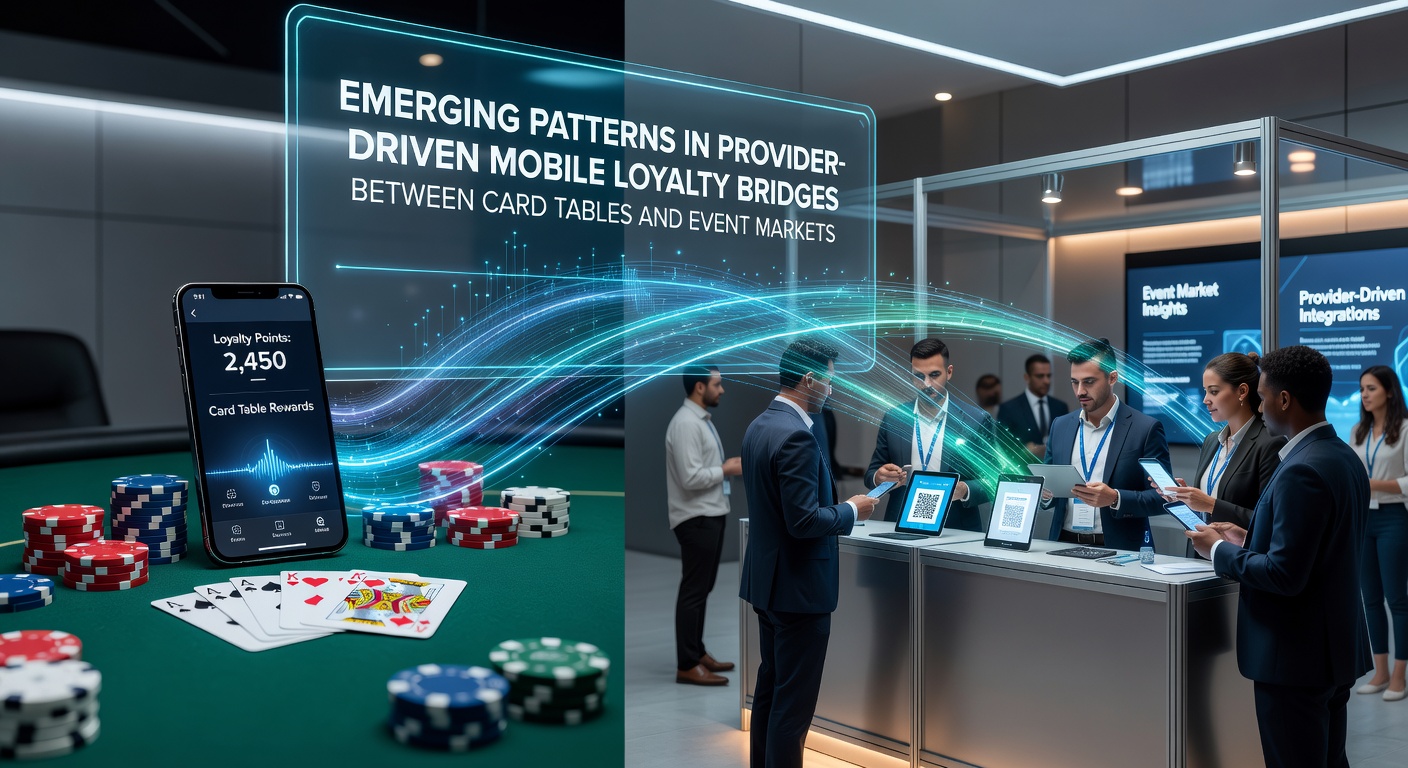
Providers have started building mobile loyalty bridges that connect card table activities with event markets, and data from industry reports show these systems allow players to earn and redeem rewards across both segments without separate accounts or fragmented tracking. Research indicates that by May 2026 several major platforms had rolled out unified point ledgers where blackjack sessions and poker tournaments feed directly into sports event wagers while maintaining real-time updates on handheld devices.
Core Mechanics of Cross-Segment Loyalty Integration
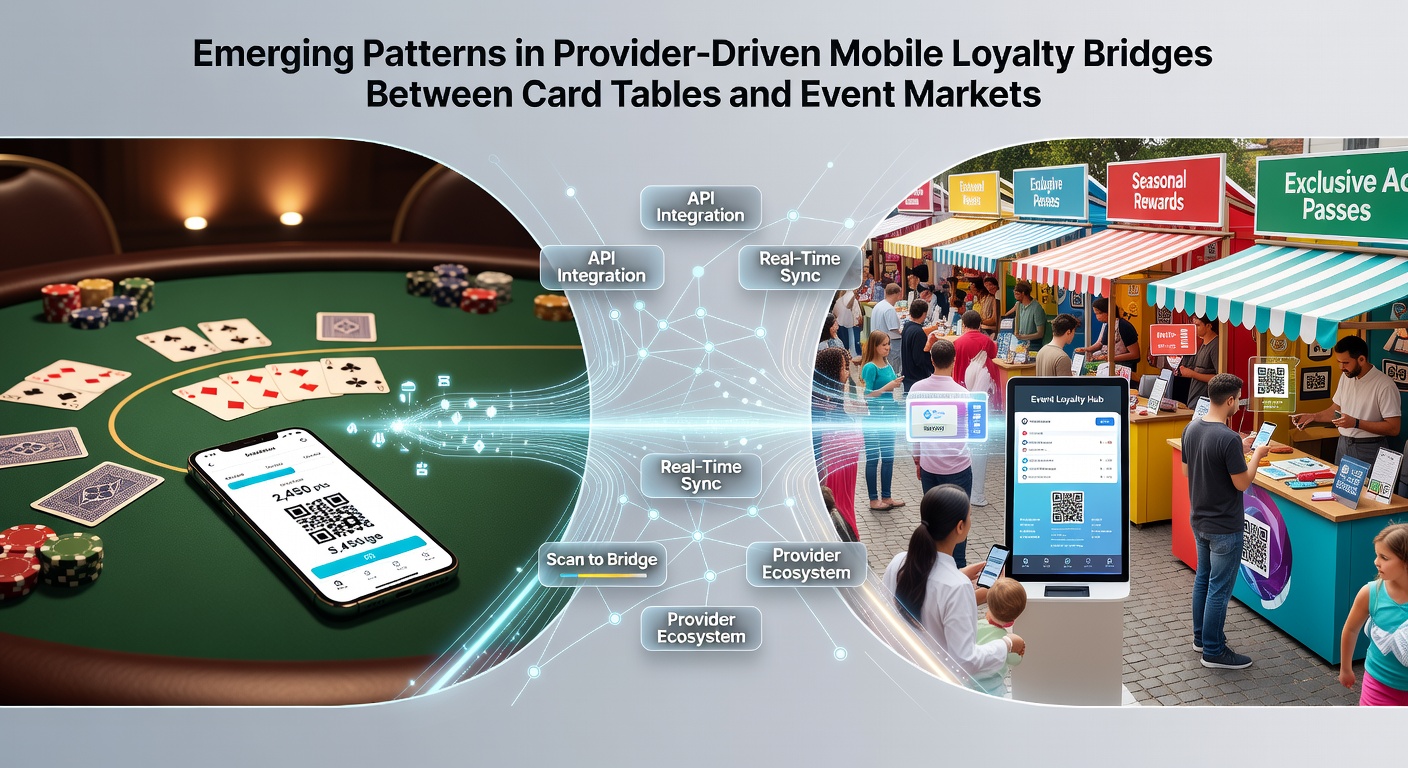
Engineers at leading game studios design APIs that pull live data from card table software and push it into event market dashboards, which means a player finishing a round of Texas Hold'em sees accumulated loyalty credits appear instantly in an upcoming football or basketball market interface. Studies found these connections rely on secure token exchanges that prevent double-counting yet permit seamless transfers, and figures from platform analytics reveal average session times rising when users move between table play and live event betting within the same application.
Technical Patterns Emerging in 2026 Deployments
Observers note that cloud-based microservices now handle the synchronization between table game servers and sports odds engines, while encryption layers protect transaction histories across both environments. Data shows providers testing biometric login combined with loyalty verification so that card table wins convert to event market bonuses without manual intervention, and tests conducted in regulated markets during early 2026 confirmed latency under two seconds for most point redemptions. What's interesting is how these systems incorporate tiered multipliers that adjust based on time spent at tables versus frequency of event market participation, creating balanced incentives that keep engagement steady throughout the day.
Regional Variations in Implementation
European operators adopted these bridges earlier than some North American counterparts, yet North American platforms accelerated rollout after new device compatibility standards took effect. A report published by the American Gaming Association highlighted that mobile loyalty usage in table-to-event pathways grew 34 percent year-over-year through April 2026, and similar patterns appeared in Australian markets where local regulators required transparent point valuation displays. Canadian provinces introduced pilot programs that let loyalty points earned at digital card tables offset entry fees for major sporting events, demonstrating how regional rules shape the speed of adoption without altering the underlying provider architecture.
Player Behavior Shifts Documented by Platform Data
Analytics teams tracking user journeys report that participants who start at card tables and then move into event markets tend to maintain higher overall deposit levels compared with single-segment users, and retention curves flatten when loyalty bridges remain active across both environments. Researchers discovered that push notifications tied to combined loyalty balances increase return rates, particularly when those alerts reference both recent table performance and upcoming event opportunities. Patterns also emerged around peak hours, with evening table sessions feeding morning event market activity as users carry credits forward instead of cashing out immediately.
Security and Compliance Frameworks Supporting These Bridges
Regulators in multiple jurisdictions now require audit trails that log every point transfer between card tables and event markets, which providers meet through immutable ledger entries stored on permissioned networks. Compliance officers verify that age and location checks remain consistent regardless of which segment a user enters first, and automated flags halt transfers if any discrepancy appears in player verification status. Industry groups emphasize that these safeguards help maintain trust while allowing the technical flexibility needed for real-time mobile experiences.
Future Development Paths Observed by Technology Teams
Developers continue refining predictive models that suggest personalized loyalty offers based on historical movement between table games and event markets, yet all recommendations stay within the data a player has already shared. Partnerships between software providers and payment processors now embed loyalty adjustments directly into deposit flows, so bonuses earned at one segment appear as instant credits usable in the other. By late 2026, additional integrations with wearable devices are expected to surface loyalty summaries without requiring users to open full applications, extending the reach of these bridges into everyday routines.
Conclusion
Provider-driven mobile loyalty systems that connect card tables and event markets have moved from experimental features to standard offerings across many platforms, supported by steady improvements in data synchronization and regulatory alignment. Metrics gathered through mid-2026 confirm that unified reward pathways increase cross-segment participation while preserving the distinct character of each activity. As technical standards mature and regional frameworks stabilize, these bridges are positioned to remain central to how players manage engagement across table and event offerings on mobile devices.