Provider Innovations Transform Mobile Casino Loyalty Systems
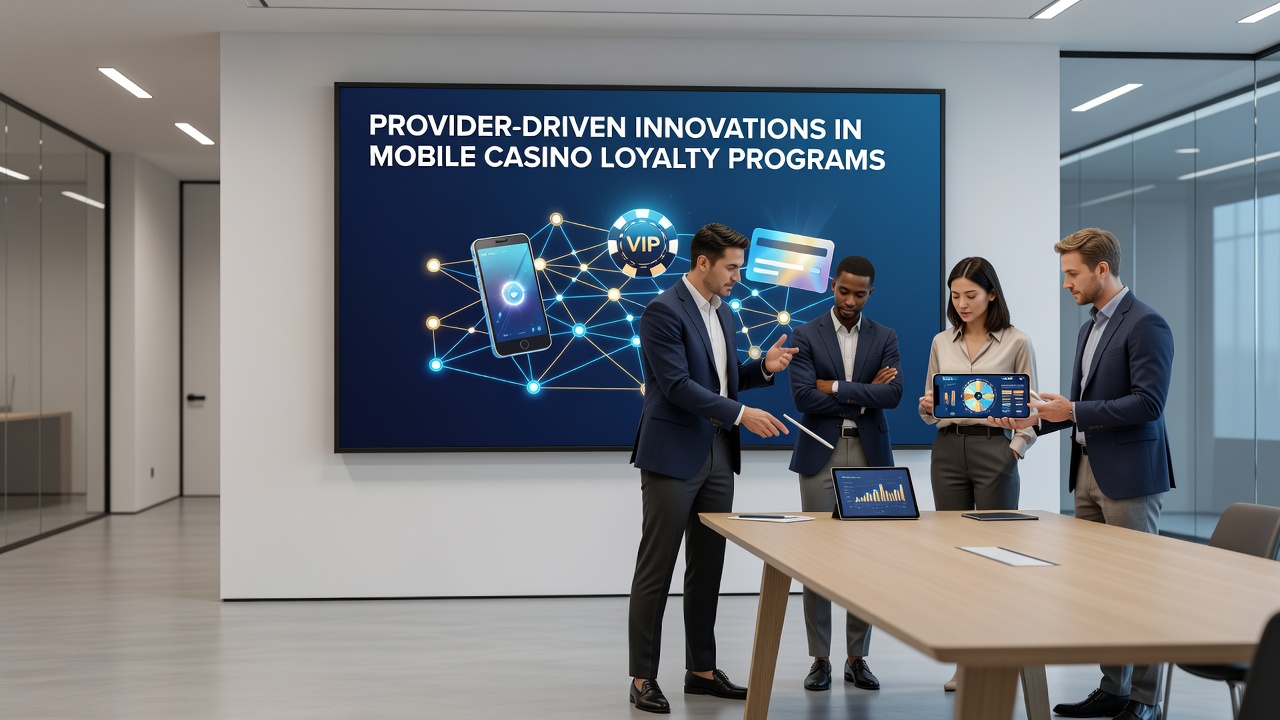
Game providers have taken a central role in developing loyalty programs for mobile casinos, integrating features that connect slot mechanics, live dealer sessions, table games, and sports betting into unified reward structures. These systems track player activity across devices while delivering tiered benefits that adjust in real time based on engagement patterns. Data from the European Gaming and Betting Association shows mobile loyalty adoption rates rose steadily through 2025 as providers embedded tracking tools directly into their game engines.
Core Mechanisms Behind Provider-Led Loyalty
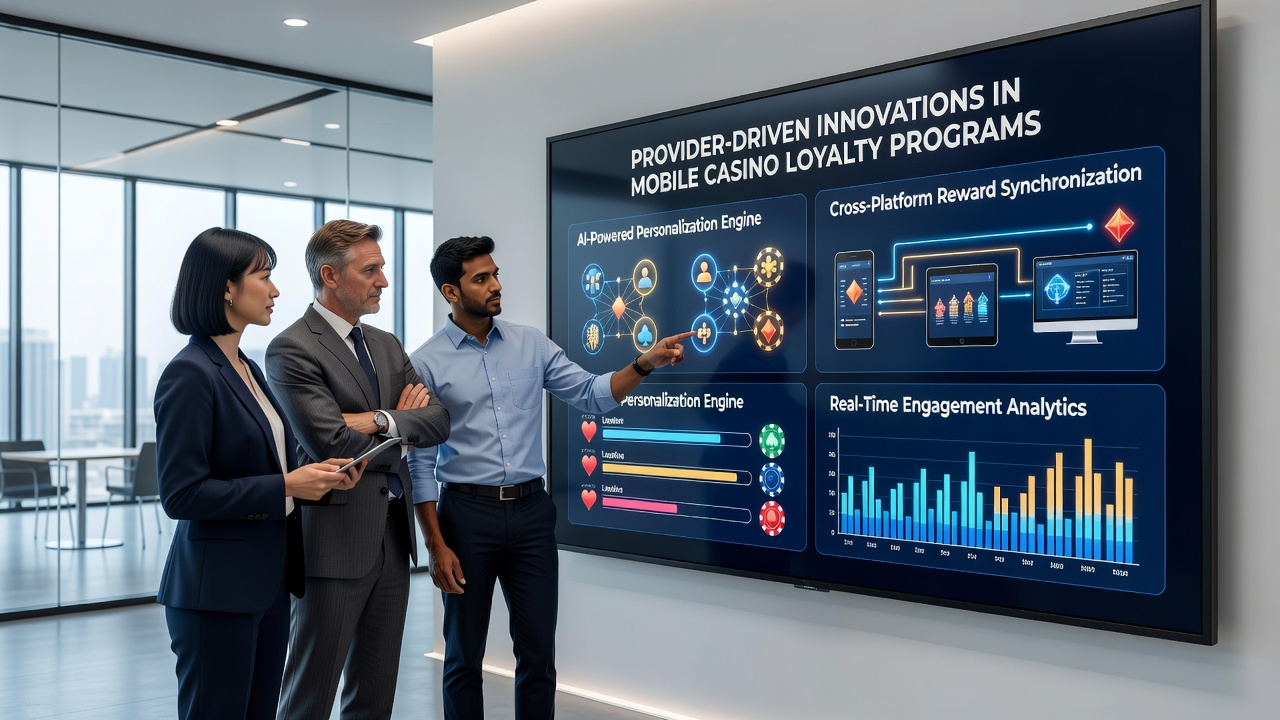
Providers build loyalty frameworks around unified player accounts that sync progress across multiple game types, allowing points earned from slots to carry over into live casino or sports sections without separate logins. This approach relies on API connections that pull data from each title and feed it into a central dashboard visible on mobile interfaces. Figures from industry analyses indicate such integrations reduce account fragmentation by up to 40 percent in markets where providers control both game delivery and reward distribution.
Personalization engines powered by provider software analyze session length, wager size, and game preference to generate targeted offers. One system deployed in mid-2025 adjusted bonus structures weekly according to individual risk profiles while maintaining compliance with regional spending limits. Observers note that these adjustments happen automatically through algorithms embedded in the game servers rather than through manual operator intervention.
July 2026 Technology Rollouts and Their Impact
In July 2026 several major providers launched updated loyalty modules that incorporate cross-game leaderboards and instant reward redemptions during live sessions. These updates allow players to convert points into free spins or cashback while still seated at a virtual table or following a sports event. Research from the Responsible Gambling Council in Canada indicates early adoption of these modules correlated with longer average session times but also prompted operators to strengthen session-time alerts within the same interfaces.
Blockchain elements appeared in some of these July releases, enabling transparent tracking of point accumulation and redemption history that players can verify through mobile wallets. Reports from the iGaming Ontario regulatory framework documented a 25 percent increase in verified reward claims during the first month after blockchain integration became available in licensed applications.
Integration Across Game Categories
Providers now link loyalty metrics directly to live dealer streams and sports betting markets so that a single wager on either platform contributes to overall tier advancement. This removes the need for players to switch between separate reward programs when moving from slots to table games or event betting. A study published by the University of Nevada Reno gaming research center found that integrated systems produced more balanced play distribution across categories compared with siloed programs.
Payment gateways supplied by the same providers handle both deposits and reward payouts, creating a closed loop where loyalty points convert seamlessly into playable balances or withdrawable funds. This setup reduces processing steps and allows instant crediting of small rewards during active mobile sessions.
Data Privacy and Regulatory Alignment
Providers embed consent management tools within loyalty interfaces to meet varying international standards for data handling. These tools let players select which activity metrics feed into reward calculations while still maintaining core functionality. Government reports from Australia’s National Consumer Protection Framework highlight that provider-managed consent flows helped operators document compliance more efficiently during 2026 audits.
Security layers added to loyalty databases include end-to-end encryption for point ledgers and multi-factor authentication for tier upgrades. Such measures address concerns about account takeover while supporting the high-frequency data exchanges required for real-time personalization.
Future Development Paths
Providers continue testing AI models that predict when players approach loyalty milestones and surface relevant offers before the milestone is reached. Early deployments show these predictive prompts increase redemption rates without increasing overall spend. Industry associations expect further refinement of these models as mobile hardware capabilities expand in 2027.
Additional work focuses on expanding loyalty access to emerging markets through localized currency conversions and region-specific reward types that align with local preferences. These expansions maintain the same provider backend while adjusting front-end presentation for different regulatory environments.
Conclusion
Provider-driven innovations have shifted mobile casino loyalty from static point systems toward dynamic, cross-platform frameworks that respond to individual behavior and regulatory requirements. Continued development in July 2026 and beyond centers on deeper integration, transparent tracking, and predictive features that keep reward structures aligned with player activity across slots, live games, tables, and sports betting. These changes reflect broader industry trends toward unified mobile experiences managed at the provider level.