Seamless Integrations: Provider Algorithms Linking Strategic Play, Predictive Sports Markets, Mobile Experiences, and Accelerated Rewards with Rapid Transfers
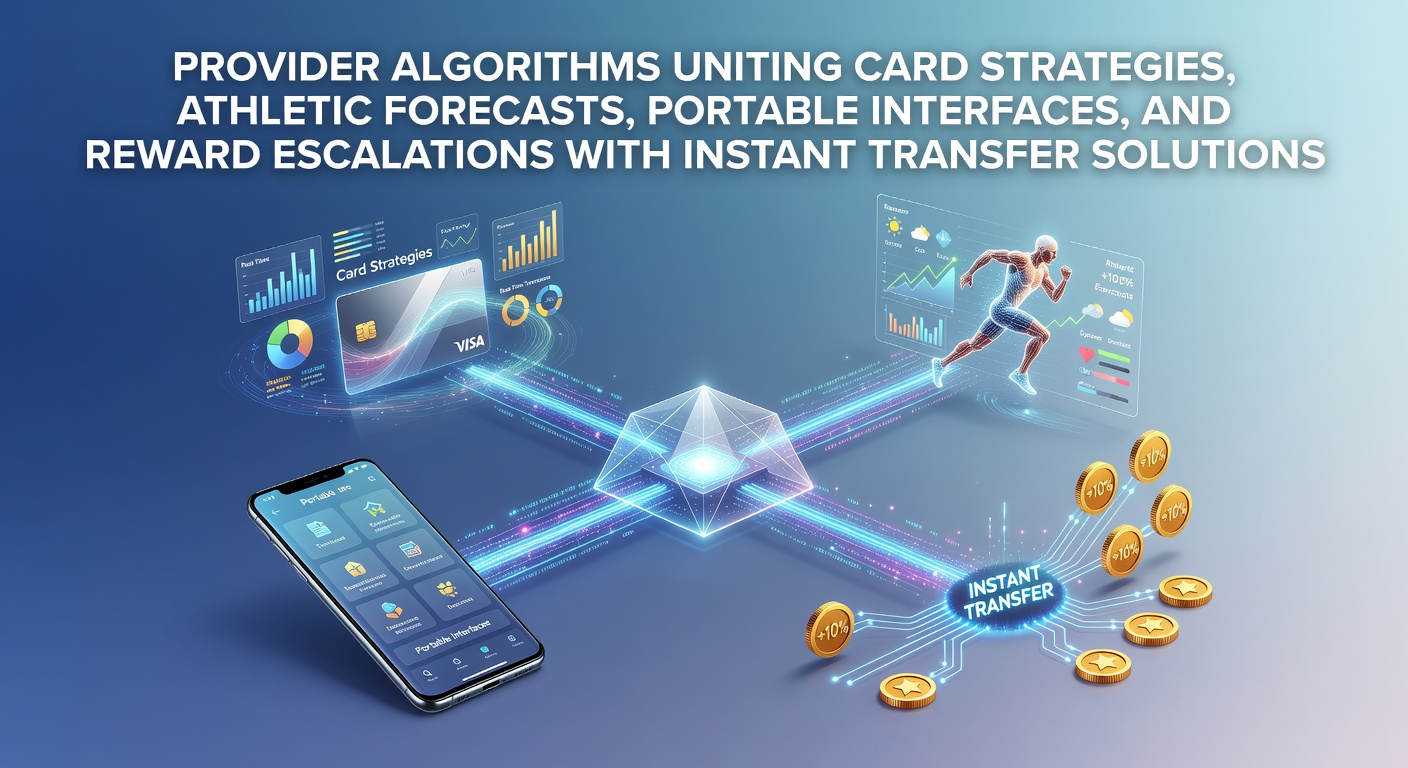
Provider algorithms now serve as the central connectors in digital gambling platforms, pulling together card strategies from table games, athletic forecasts from sports betting, portable interfaces for mobile users, reward escalations through loyalty programs, and instant transfer solutions for payments. These systems operate across multiple game types where data flows continuously between blackjack decision models, live odds calculations, device-optimized displays, tiered bonus structures, and banking gateways. Observers note that this unification allows platforms to maintain consistent performance whether players switch between table tactics or live event wagers on handheld devices.
Algorithm Foundations in Card and Sports Elements
Core algorithms developed by major providers process player decisions in card games such as blackjack and poker alongside predictive models for sports outcomes in football, basketball, and tennis markets. These engines analyze historical data patterns to adjust real-time probabilities while syncing with mobile interfaces that resize layouts automatically based on screen dimensions. Data indicates that integration occurs through shared databases where card strategy logs influence sports forecast accuracy, creating cross-category insights that platforms use to refine user sessions. Researchers at academic institutions have documented similar data merging techniques in broader predictive analytics fields, showing how combined datasets improve response times across different wager types.
Mobile Interfaces and Reward Escalation Mechanics
Portable interfaces receive direct input from these algorithms to deliver personalized displays that highlight escalating rewards as users progress through loyalty tiers. Reward escalations tie directly to activity across card tables and sports predictions, with systems tracking cumulative play to unlock higher bonus levels without separate login flows. The algorithms adjust offer visibility based on device location data and session length, ensuring that instant transfer solutions activate at key progression points. This setup reduces friction when players move from a table game session to a sports market prediction on the same mobile application.
Instant Transfer Solutions Within Unified Systems
Instant transfer solutions connect to the same algorithmic core that manages card strategies and athletic forecasts, allowing deposits and withdrawals to complete while active sessions continue uninterrupted. Payment gateways receive signals from mobile interfaces about reward escalations, triggering automatic balance updates that reflect new tier benefits. According to reports from the American Gaming Association, transaction processing speeds have increased across integrated platforms as providers refine these connections. Platforms maintain separate security layers for each component yet share verification protocols to keep transfers aligned with ongoing game activity.
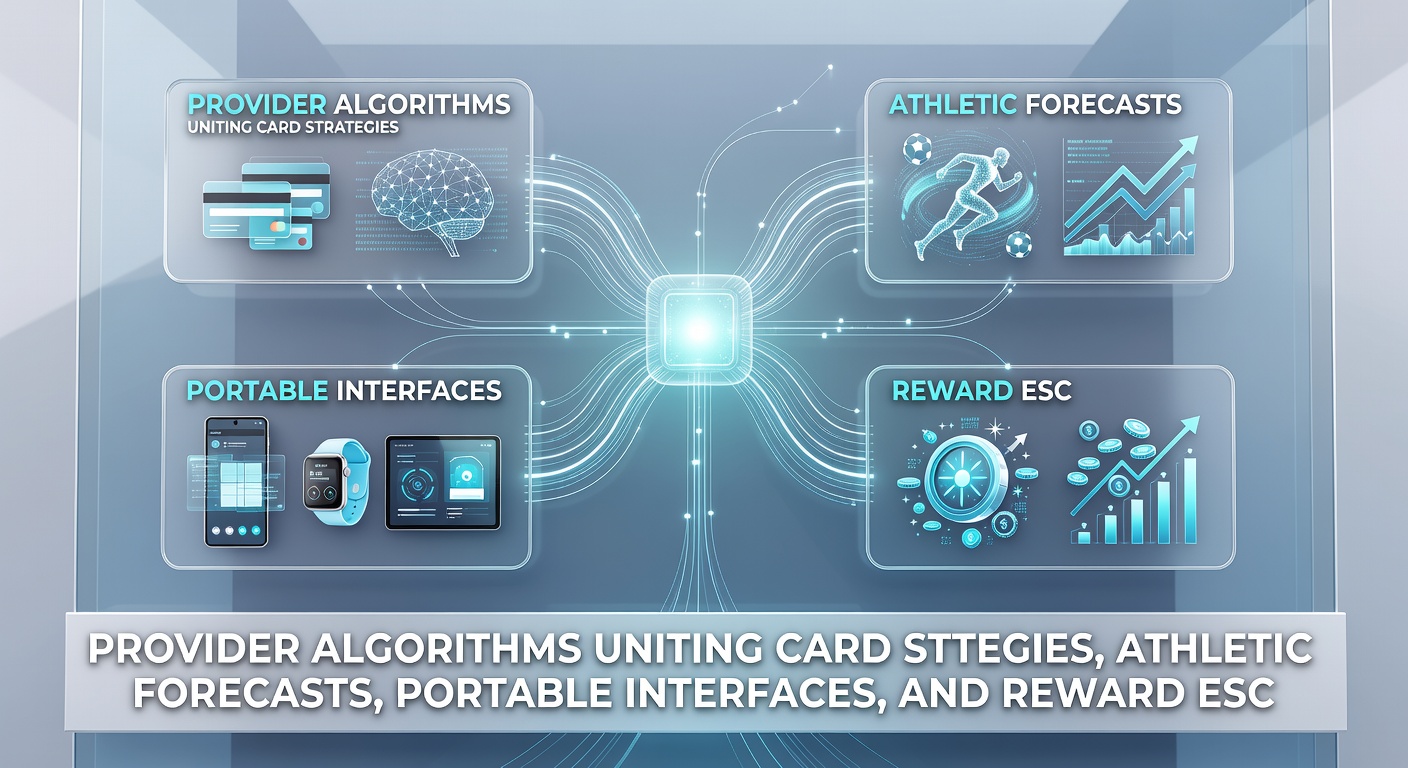
June 2026 marks continued expansion of these unified systems as providers release updated algorithm versions that handle larger data volumes from mobile traffic. European operators have adopted similar frameworks following guidance from regional trade groups, where cross-border standards support consistent performance between card play, sports forecasts, and payment processing. The European Gaming and Betting Association has published findings on platform interoperability that highlight measurable gains in session continuity when algorithms manage multiple categories simultaneously.
Cross-Category Data Flows and Platform Performance
Providers structure their algorithms to route information between card strategy modules and sports forecasting engines without creating isolated data silos. Mobile interfaces pull from this shared pool to display unified account overviews that include both table game history and pending athletic predictions alongside current reward tier status. Instant transfer solutions operate on the same pipeline, processing requests while the algorithm recalculates bonus eligibility based on recent activity. Those who monitor platform metrics report that this approach maintains lower latency during peak usage periods compared to earlier segmented systems.
Case examples from North American operators show how one provider's algorithm set enabled simultaneous tracking of poker hand analysis and live betting odds on tablet devices, with reward points updating in real time after each completed transfer. Similar implementations appear in Australian markets where regulatory frameworks emphasize transparent data handling across game types and payment channels. University-led studies on algorithmic efficiency have examined these patterns, noting that combined processing reduces the computational overhead that previously required separate servers for each category.
Conclusion
Provider algorithms continue to evolve as the mechanism that unites card strategies, athletic forecasts, portable interfaces, reward escalations, and instant transfer solutions into single operational frameworks. These connections rely on shared data structures and synchronized processing that support activity across game categories and payment functions on mobile platforms. Industry reports from multiple regions document ongoing refinements to these systems as operators adapt to increased mobile usage volumes and cross-category player engagement patterns.