Technical Foundations Behind Rising Loyalty in Multi-Option Mobile Entertainment Platforms
App architectures in mobile entertainment have shifted toward modular designs that support seamless integration of slots, live dealer sessions, table games, and sports markets within single platforms. These structures allow operators to add or update features without rebuilding entire systems, which data from industry reports shows reduces downtime and supports continuous user engagement. Observers note that such flexibility becomes especially relevant as entertainment options expand, since users encounter fewer interruptions when switching between activities.
Core Components of Modern Mobile Frameworks
Developers rely on microservices and cloud-native setups to handle real-time data flows across varied content types, and this approach connects user profiles with personalized reward systems. Figures from research institutions indicate that platforms using these methods record higher retention rates because they process transactions and game updates in parallel streams. One study revealed that when backend services operate independently, front-end interfaces load faster on handheld devices, letting players move from a slot session to a live event without reloading screens.
API gateways form another layer that standardizes connections between payment processors, content providers, and loyalty engines. According to records from regulatory bodies in Australia, streamlined API usage correlates with smoother verification processes, which keeps sessions active longer. Those who have examined platform logs find that consolidated data pipelines also feed into analytics tools that track play patterns across different game categories.
Integration Patterns Supporting Diversified Content
Unified databases store information on user preferences while separate modules manage distinct entertainment verticals, and this separation prevents bottlenecks when new titles or betting markets launch. Evidence from academic papers on software scalability suggests that containerized deployments let teams roll out updates in stages, minimizing risk to ongoing player activity. In August 2026, several major platforms introduced enhanced orchestration tools that coordinate these modules more efficiently, allowing operators to test features with select user groups before wider release.
Push notification systems tied to loyalty metrics send targeted offers based on recent activity, and researchers discovered that such precision increases repeat visits. People who manage these systems report that combining location data with game history produces timely prompts that align with individual habits rather than generic blasts. The architecture supports A/B testing of notification timing without affecting core gameplay performance.
Data Handling and Personalization Layers
Real-time analytics engines process large volumes of interaction data to adjust reward tiers dynamically, and this capability stems from event-driven architectures that capture every spin or wager. Data shows that when personalization runs on edge computing nodes, response times drop, which keeps users immersed across multiple entertainment formats. Industry organizations have documented cases where integrated dashboards give operators visibility into cross-category spending, helping refine loyalty structures accordingly.
Security protocols embedded at the architecture level encrypt both financial and behavioral data, satisfying requirements from oversight agencies across different regions. Those who've reviewed compliance reports note that zero-trust models now appear more frequently in mobile entertainment apps, reducing exposure during simultaneous use of slots, tables, and sports interfaces. This layered defense supports trust, which in turn sustains longer-term platform usage.
Performance Metrics and Retention Outcomes
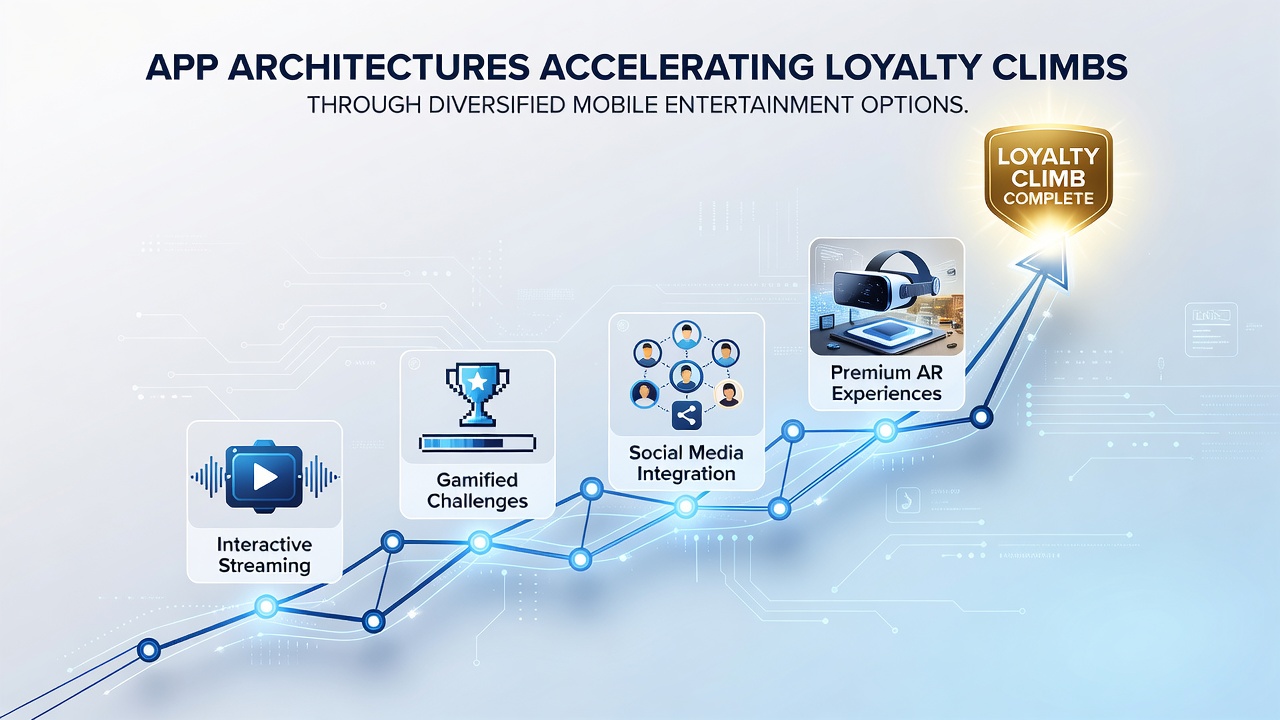
Load balancing distributes traffic evenly when user numbers spike during major sports events or promotional periods, and benchmarks from technology research centers confirm that such measures maintain consistent frame rates in live dealer streams. Observers have tracked how these technical choices translate into measurable loyalty climbs, with users progressing through tiers faster when friction remains low. Retention curves published by several analytics firms illustrate steeper upward trends on platforms that invested early in scalable foundations.
Offline caching mechanisms allow partial functionality during connectivity gaps, and this feature proves useful for users who switch between entertainment options while traveling. Evidence suggests that retaining progress across sessions encourages continued participation once connections restore. Developers continue refining these elements to align with evolving device capabilities expected through late 2026.
Conclusion
Architectural choices in mobile entertainment applications directly influence how quickly users advance through loyalty programs when multiple content types remain accessible. Modular designs, robust APIs, and real-time data layers combine to reduce barriers between activities, and ongoing refinements in orchestration tools keep these systems adaptable. Records from varied regulatory and research sources indicate that platforms emphasizing these technical elements maintain stronger engagement patterns over time. As entertainment portfolios diversify further, the underlying frameworks will continue determining the pace of loyalty progression across user bases.