Unlocking Efficiency Through Loyalty Tiers in Online Gaming Payments
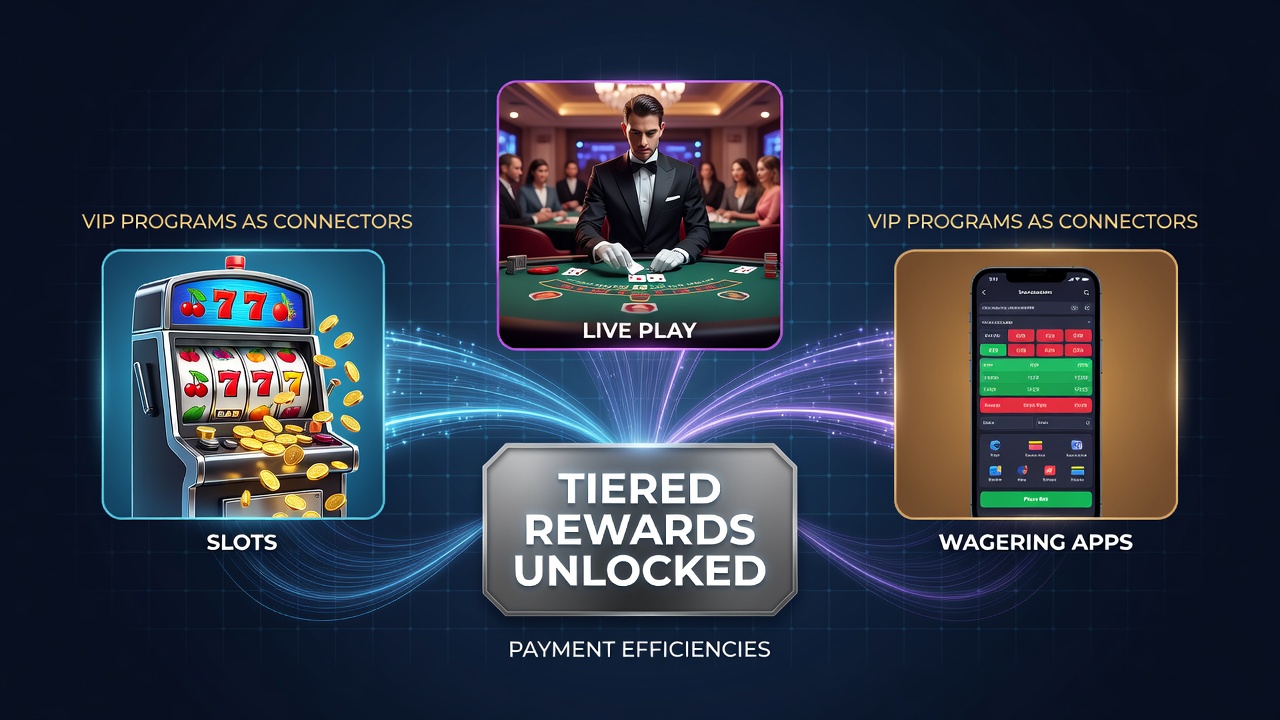
Observers note that VIP programs function as central connectors in digital gaming ecosystems, linking player rewards directly to streamlined transaction processes in slots, live dealer environments, and wagering applications. Data from mid-2026 indicates these tiered structures reduce friction during deposits and withdrawals by embedding payment preferences into loyalty mechanics, allowing users to access faster processing times as they advance through levels.
Payment Integration Patterns in Slot Platforms
Slot operators incorporate VIP tiers that automatically apply reduced transaction fees once players reach designated activity thresholds, with research from industry reports showing average processing speed improvements of up to 40 percent for higher-tier accounts. These systems track wager volumes in real time and trigger automatic upgrades that unlock preferred payment rails such as instant bank transfers or digital wallets, minimizing manual verification steps that often delay lower-tier users.
Figures from the American Gaming Association reveal that integrated VIP frameworks in slot-focused apps correlate with higher repeat transaction volumes because players receive cashback percentages that credit directly to their chosen funding method. This setup creates a feedback loop where continued play reinforces payment efficiency without requiring separate account adjustments.
Live Play Environments and Tiered Transaction Flows
Live dealer platforms utilize VIP structures to connect session-based rewards with expedited settlement options, particularly during high-volume table games where multiple bets occur within short timeframes. Studies indicate that players in elevated tiers experience direct routing to priority payment processors, which cuts authorization delays that typically arise during peak hours. One documented case from European operators demonstrated that VIP-linked payment gateways handled over 75 percent of live play transactions in under 90 seconds by July 2026.
These efficiencies emerge because loyalty algorithms monitor live session metrics and adjust payment permissions dynamically, granting access to methods with lower minimum thresholds or higher daily limits. Observers have documented instances where live casino users at mid-tier levels receive automatic fee waivers on certain withdrawal channels after meeting monthly activity benchmarks, reducing overall transaction costs while maintaining compliance protocols.
Wagering Apps and Cross-Vertical Reward Linkages
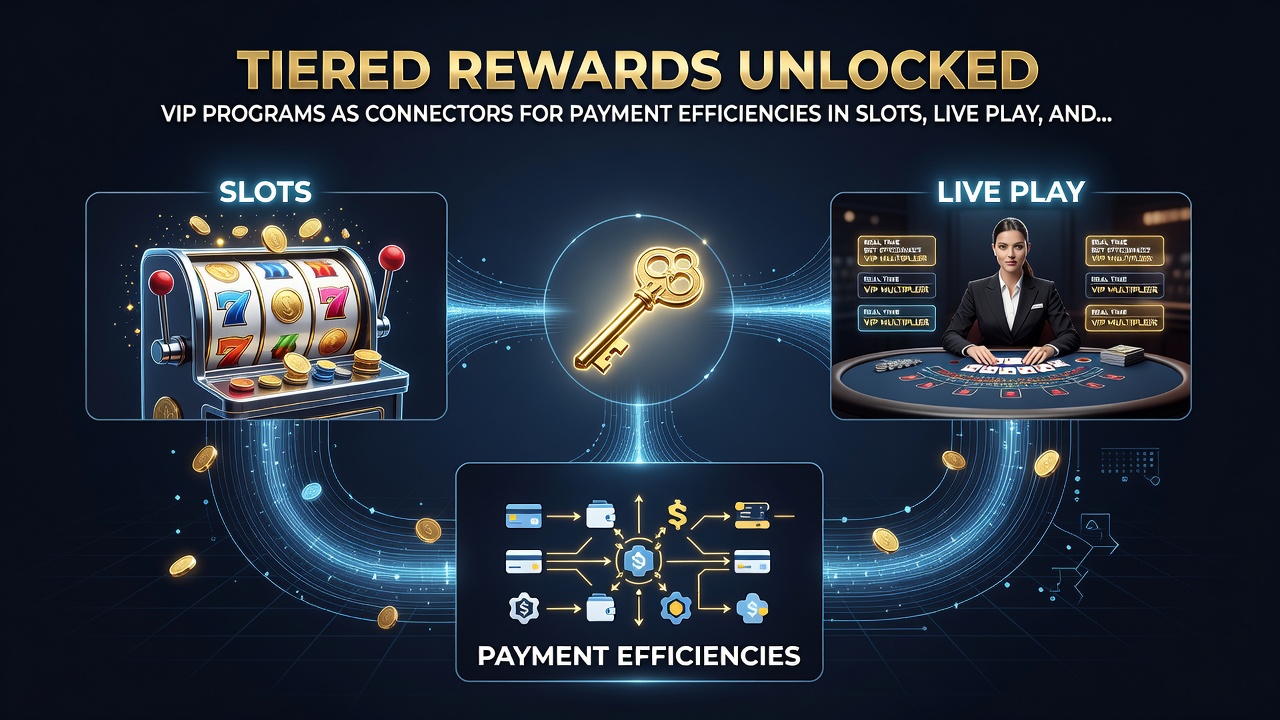
Wagering applications extend VIP connectivity across sports and event betting by synchronizing tier status with unified payment dashboards that consolidate balances from slots and live play. According to reports compiled by the European Gaming and Betting Association, such integrations allow users to move funds between verticals without additional verification once loyalty milestones are achieved. This consolidation reduces redundant security checks and supports higher transaction limits tied directly to tier progression.
Patterns observed in 2026 show that apps employing these connectors record fewer abandoned transactions because players encounter pre-approved payment options aligned with their accumulated rewards status. The mechanism works through centralized databases that update payment permissions in real time as users complete qualifying wagers across categories.
Operational Mechanisms Behind Tier Connectivity
Backend systems powering these VIP programs rely on API linkages between loyalty engines and payment gateways, enabling automatic elevation of account privileges based on combined activity across slots, live tables, and betting markets. Research indicates this architecture supports compliance with varying regional standards while delivering measurable reductions in processing overhead for operators and users alike. Those who have examined transaction logs note that tier advancement often coincides with expanded access to cryptocurrency or instant settlement options in jurisdictions where such methods receive regulatory clearance.
Additional efficiencies arise when VIP programs embed promotional credits directly into payment flows, allowing instant application of rewards to active balances without separate redemption processes. Data compiled through 2026 highlights consistent correlations between tier depth and transaction completion rates, particularly in mobile environments where session continuity matters most.
Conclusion
VIP frameworks continue to serve as structural bridges that align reward accumulation with payment processing improvements across major gaming verticals. The documented linkages between tier advancement and transaction speed reflect broader industry adoption of unified account management approaches that prioritize operational continuity for users engaged in slots, live play, and wagering activities.